Quick verdict
Our verdict
The Philips Lumea IPL 9000 Series BRI984/03 is a light-based hair removal device belonging to an FDA 510(k)-cleared product family, though it is important to note this pathway is not the same as FDA approval. While the manufacturer identifies specific features for this exact product, there is currently no independent, peer-reviewed clinical data available for this specific model to verify its real-world performance. Potential users should consider that while IPL is a recognized modality, evidence regarding the efficacy and safety incidence rates for the BRI984/03 specifically remains limited to manufacturer representations. It is intended for individuals with fair to medium-brown skin tones and naturally dark hair, as established in the product family's regulatory documentation.
General technology evidence — not this exact device
Who This Is For
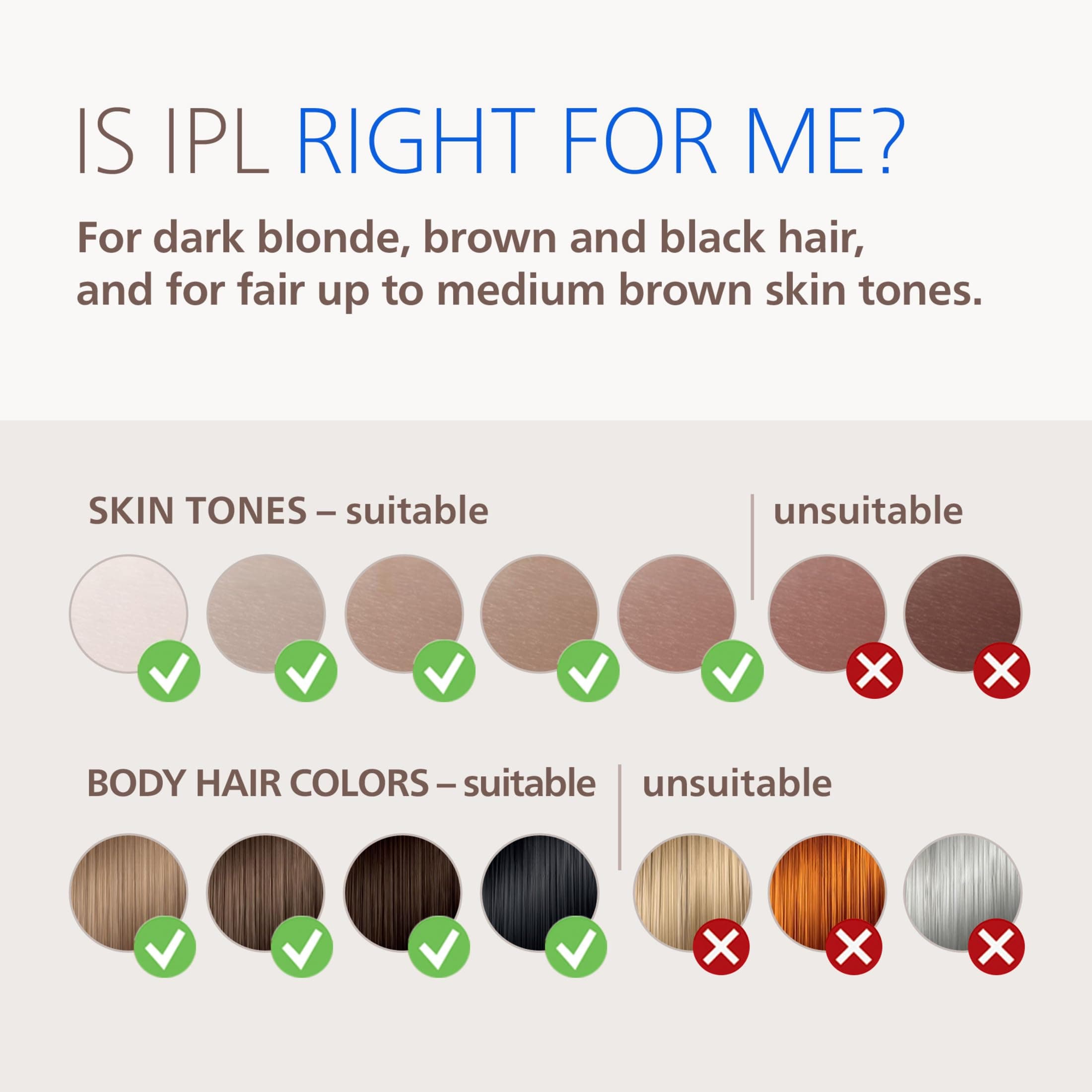
This device is specifically designed for adults between the ages of 18 and 65 who possess fair to medium-brown skin tones. The underlying technology relies on a distinct contrast between the pigment in the hair follicle and the surrounding skin to function effectively. Consequently, the intended buyer must have naturally dark blond, brown, dark brown, or black hair. Because the system targets melanin, it is contraindicated for individuals with darker skin tones, specifically those classified as Fitzpatrick V and VI. Using the device on these skin types presents a significant risk of burns, scarring, or hyperpigmentation, as the light energy cannot sufficiently distinguish between the hair and the skin's surface.
General technology evidence — not this exact device
Who Should Skip It
While this technology is effective for specific demographics, it is not a universal solution. The device is intended for fair to medium-brown skin tones and naturally dark hair per the FDA 510(k) summary K253754. If you have a darker skin tone or hair that is red, grey, white, or very light blond, this device will not function as intended and should be skipped. Furthermore, individuals managing pigmentation disorders such as melasma or rosacea should exercise caution with light-based therapies, as these conditions can react unpredictably to the treatment. Finally, if your purchasing decision requires a device backed by independent, model-specific clinical trial evidence or established safety incidence rates from third-party testing, you may find the current data insufficient to meet that standard.
General technology evidence — not this exact device
How the Technology Works
Intense Pulsed Light (IPL) functions by emitting broad-spectrum light pulses that target the melanin in hair follicles. When this light energy is absorbed, it converts to heat, theoretically placing the follicle into a resting phase to inhibit future growth. While the Philips Lumea IPL family is cleared through the FDA 510(k) pathway, it is important to distinguish this from FDA approval. The regulatory record specifically names the broader product family rather than the BRI984/03 model code. Furthermore, the underlying mechanism is designed for a specific physiological profile: it is intended for individuals with fair to medium-brown skin tones and naturally dark hair. Because the technology relies on the contrast between hair pigment and skin tone, its utility is restricted by these biological parameters.
Specific to this product
What the Evidence Really Says
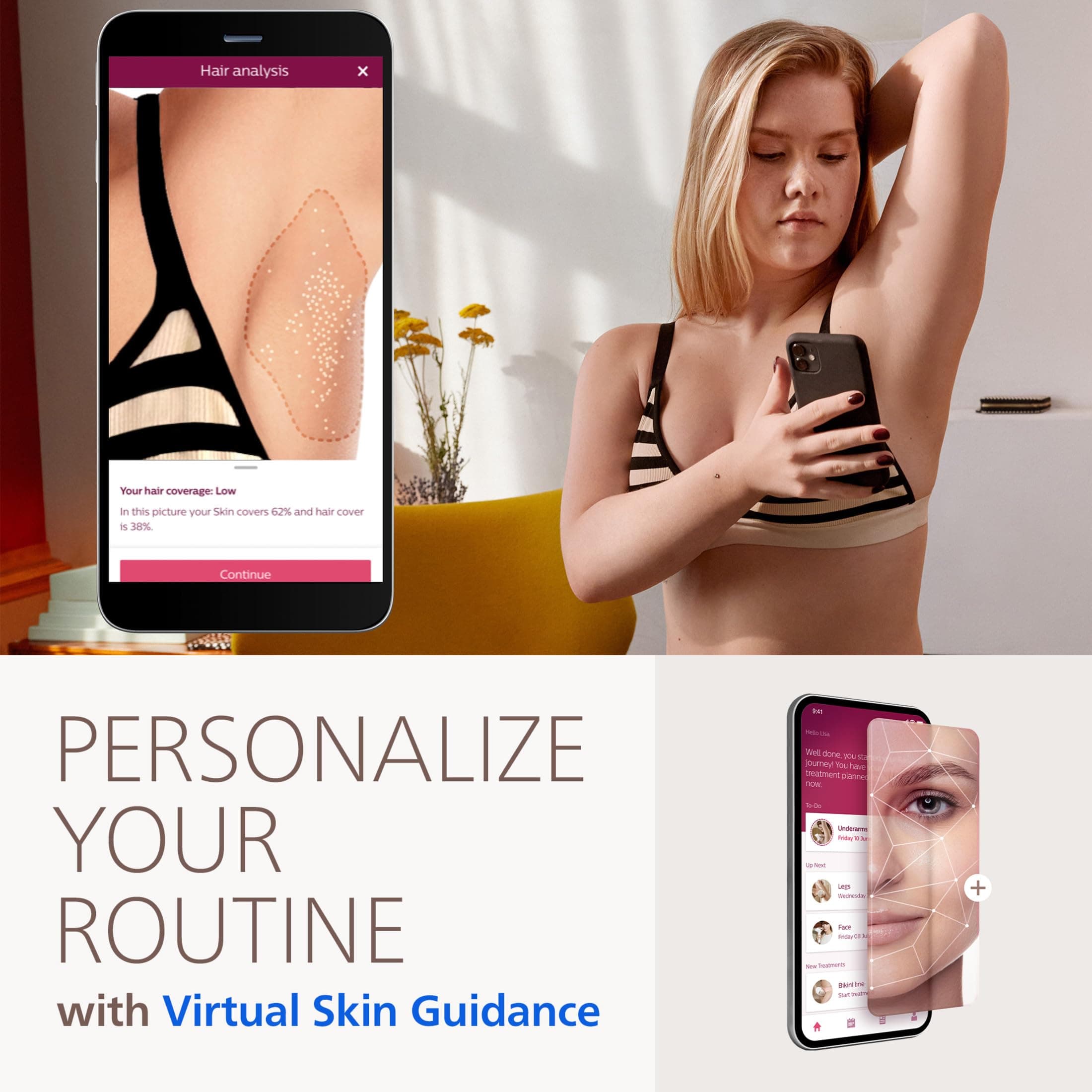
When evaluating the Philips Lumea IPL family, it is important to distinguish between the regulatory status of the product line and the specific data available for the BRI984/03 model. The device family is cleared through the FDA 510(k) pathway for hair removal and permanent hair reduction, rather than receiving FDA approval. While manufacturer documentation confirms this specific model includes features like the skin-tone sensor, independent clinical evidence for the BRI984/03 itself is limited. The broader regulatory filings for the product family specify that these devices are intended for fair to medium-brown skin tones and naturally dark hair. Consequently, while the underlying technology is established within the product line, the specific performance data for this exact model remains not established.
Specific to this product
Evidence at a Glance
The Philips Lumea IPL 9000 Series BRI984/03 is categorized as an at-home Intense Pulsed Light device. While the broader Philips Lumea IPL product family has been cleared through the FDA 510(k) pathway (K243453), it is important to note that the specific BRI984/03 model code is not explicitly named in the primary regulatory record. Furthermore, the FDA summary K253754 identifies the intended user profile as individuals with fair to medium-brown skin tones and naturally dark hair. Regarding the exact performance of this specific unit, evidence remains limited; current data relies on manufacturer-published claims rather than independent research, leaving specific efficacy outcomes for this exact model not yet established by outside parties.
Specific to this product
Our Confidence
Our assessment of the Philips Lumea IPL 9000 Series BRI984/03 is grounded in its status as a verified at-home IPL device within a product family that holds FDA 510(k) clearance. This regulatory pathway provides a baseline for the technology's intended use for fair to medium-brown skin tones and naturally dark hair. However, our confidence is tempered by the fact that the specific BRI984/03 model code is not explicitly named in the 510(k) records, which instead list the broader Lumea IPL family. While we can confirm the device's technical specifications as published by the manufacturer, the exact hair reduction percentages and model-specific performance outcomes have not been established through independent research. Because current evidence relies on manufacturer-stated claims rather than third-party verification, we maintain a cautious outlook on how this specific iteration performs relative to its predecessors.
Specific to this product
What Results Can You Reasonably Expect?
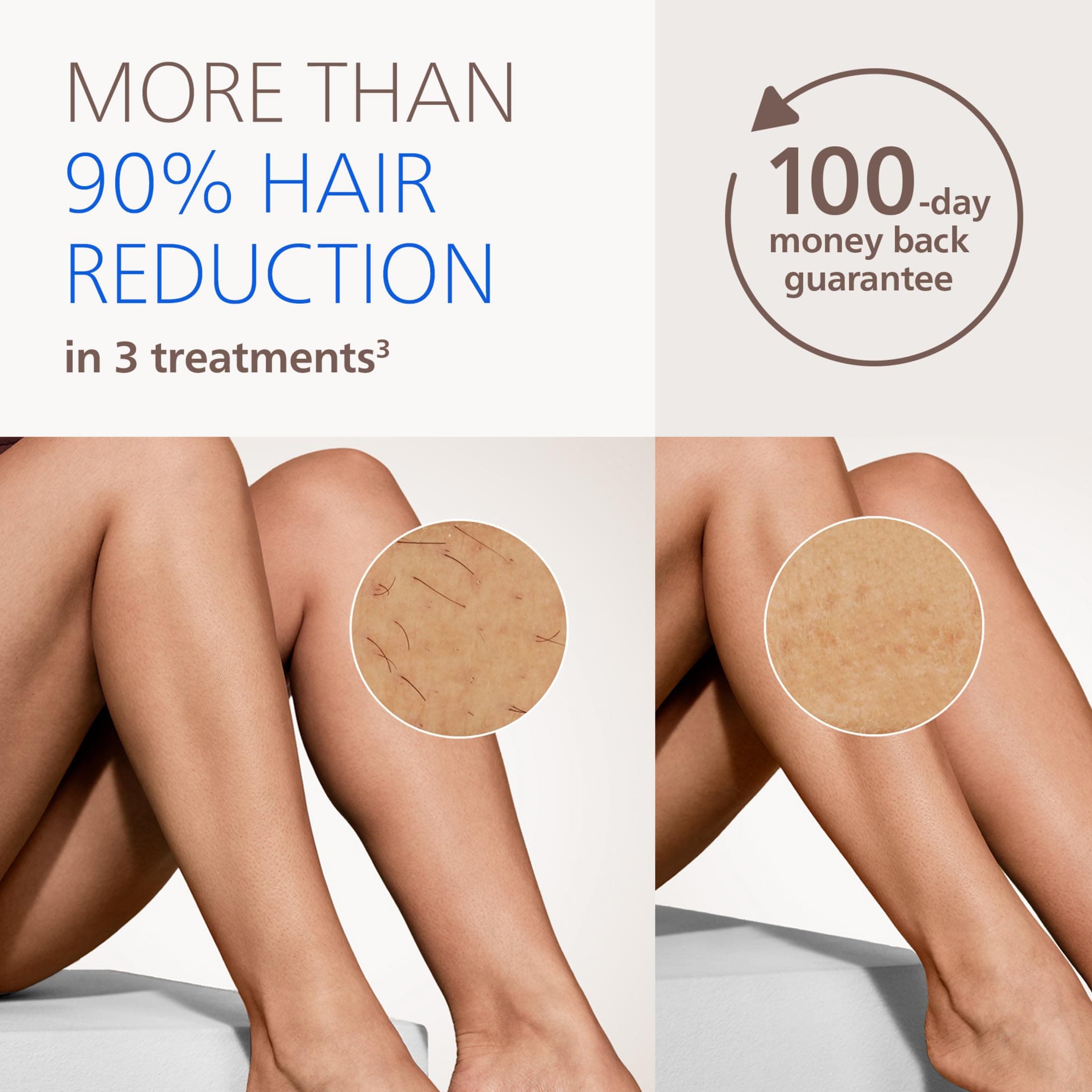
While the device family is cleared for hair removal and permanent hair reduction, specific outcomes for the BRI984/03 model remain subject to significant evidence limitations. You should anticipate a process of gradual reduction rather than immediate clearance. Notably, retailer assertions regarding visible changes after only two sessions lack independent corroboration, and the exact hair reduction percentages specific to this model have not been established through external verification. Because current documentation is limited to manufacturer-published materials, your results may vary from the generalized performance of the broader product series. The integrated skin-tone sensor is designed to assist in this process, but the precise efficacy of this specific iteration compared to its predecessors is not yet verified by independent data.
Specific to this product
What to Expect Before You Buy
When considering this device, it is important to distinguish between regulatory status and performance claims. The Philips Lumea IPL family is cleared through the FDA 510(k) pathway, a process that establishes substantial equivalence to existing devices rather than granting FDA approval. While the regulatory record (K243453, February 10, 2025) covers the broader product family, it does not explicitly name the BRI984/03 model code. Prospective buyers should also maintain a skeptical view of retailer marketing regarding the speed of results; claims suggesting visible changes in as few as two sessions are not independently corroborated. Currently, available evidence for this exact model is limited to materials published by the manufacturer, meaning third-party verification of its specific performance metrics is not yet established.
Specific to this product
Expert Tip
When evaluating the BRI984/03, it is critical to distinguish between the broad regulatory status of the Philips Lumea IPL family and this specific model. While the device family is cleared through the 510(k) pathway (K243453), the primary regulatory record does not explicitly name the BRI984/03 code. Consequently, evidence regarding the speed of results and safety incidence rates for this exact model is limited to manufacturer-published materials rather than independent trials. Users should prioritize the established skin and hair tone requirements—specifically fair to medium-brown skin and naturally dark hair—as the technology's effectiveness is not established for darker skin tones or very light hair colors.
General technology evidence — not this exact device
Buying Advice
Deciding on this device requires a strict assessment of your biological profile and your tolerance for data gaps. The technology is specifically intended for users between 18 and 65 who possess fair to medium-brown skin tones paired with naturally dark blond, brown, or black hair. If your hair is red, grey, white, or very light blond, the mechanism will not be effective. Similarly, those with darker skin tones should skip this model to avoid adverse effects. Beyond physical compatibility, you must weigh the lack of model-specific clinical trial evidence against the convenience of an at-home solution. If you require a device backed by its own independent clinical data, or if your skin and hair types fall outside these narrow parameters, professional in-clinic treatments or alternative at-home IPL devices with dedicated study histories are more appropriate choices.
Specific to this product
Common Mistakes to Avoid
A significant error in approaching this device is overestimating its versatility across different biological profiles. Users with darker skin tones or very light hair colors should avoid this technology, as it is not intended for these groups. Furthermore, those managing pigmentation disorders such as melasma or rosacea must exercise caution, as light-based therapies can interact unpredictably with these conditions. Relying on retailer promises of rapid results, such as visible changes after only two sessions, is another common pitfall; these claims lack independent corroboration. Because model-specific safety incidence rates have not been established through independent testing, assuming a universal safety profile without considering individual skin health is a mistake. Success requires aligning expectations with manufacturer-published materials rather than third-party marketing narratives.
Specific to this product
What We Still Don't Know
While the underlying technology is familiar, the specific performance profile of the BRI984/03 remains largely defined by internal manufacturer data. We lack independent verification of the hair reduction percentages cited by the brand, leaving a gap between laboratory claims and objective third-party testing. Furthermore, the evidence for this exact model is limited to manufacturer-published materials, which means the specific efficacy of the BRI984/03 relative to other devices in the Lumea family has not been established through external comparison. Potential buyers should also approach retailer claims regarding result speed with skepticism; the suggestion that visible changes occur in as few as two sessions is not independently corroborated. Until broader data is available, the timeline for individual success remains an open question.
Important Warning
Before considering this technology, verify that your skin tone and hair color fall within the compatible range. This device is not intended for use on darker skin tones or very light hair colors, as the light-based mechanism requires a specific contrast to function safely. Furthermore, extreme caution is necessary for those with pigmentation disorders, such as melasma or rosacea, and the device should never be applied over tattooed or pigmented areas to avoid the risk of thermal injury. Potential users should also note that model-specific safety incidence rates have not been established through independent testing.
Safety and Contraindications
Safety with light-based hair removal depends heavily on the contrast between hair pigment and skin tone. This device is not intended for use on darker skin tones or very light hair colors, as the technology requires a specific pigment differential to function without risking surface damage. Furthermore, individuals with pigmentation disorders, such as melasma or rosacea, should exercise caution, as light-based therapies can potentially exacerbate these conditions. While the underlying technology is established, it is important to note that model-specific safety incidence rates have not been established through independent testing, leaving a gap in data regarding this specific unit's long-term performance profile.
Specific to this product
How to Use It Responsibly
Using this device responsibly requires strict adherence to skin and hair color compatibility, as light-based modalities are not intended for darker skin tones or very light hair colors. While the Philips Lumea IPL family is cleared through the 510(k) pathway, the specific BRI984/03 model code is not explicitly named in the primary regulatory record, which instead identifies the broader device group. Users should proceed with caution if they have pigmentation disorders such as melasma or rosacea, as these conditions can affect how the skin reacts to light therapy. Because model-specific safety incidence rates and effectiveness for the BRI984/03 have not been established through independent testing, following the manufacturer's published instructions for the exact product is the only available guide for operation.
Pros
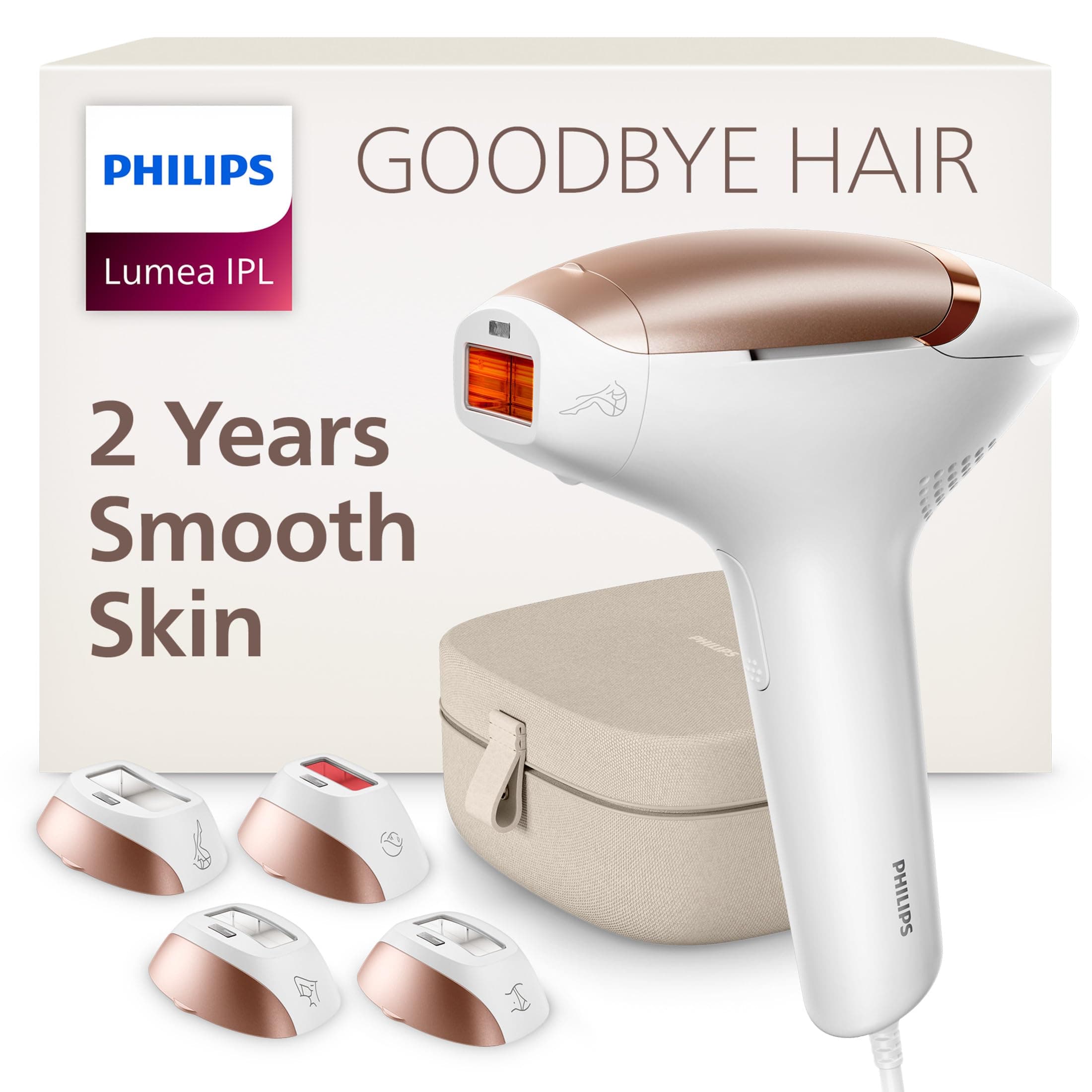
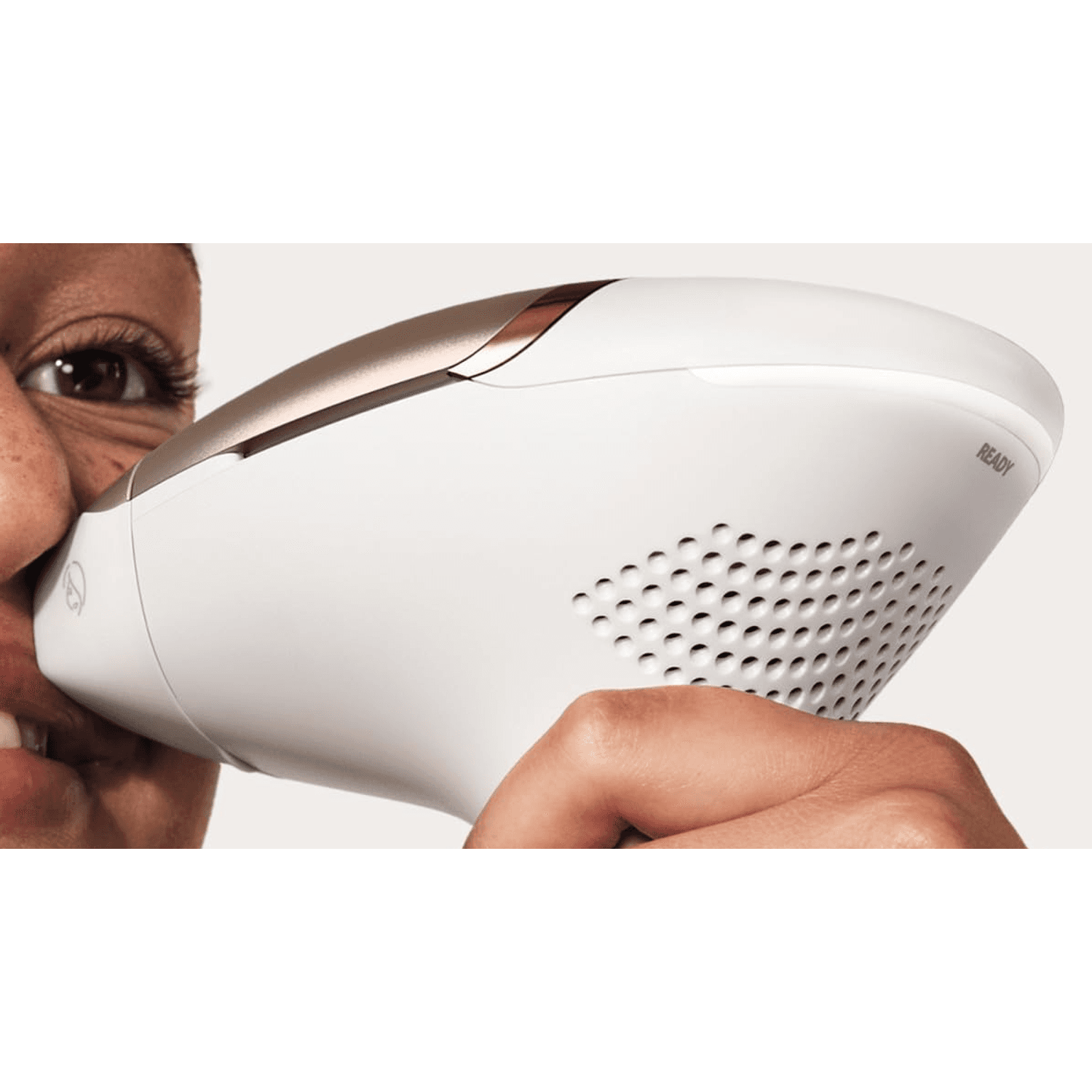
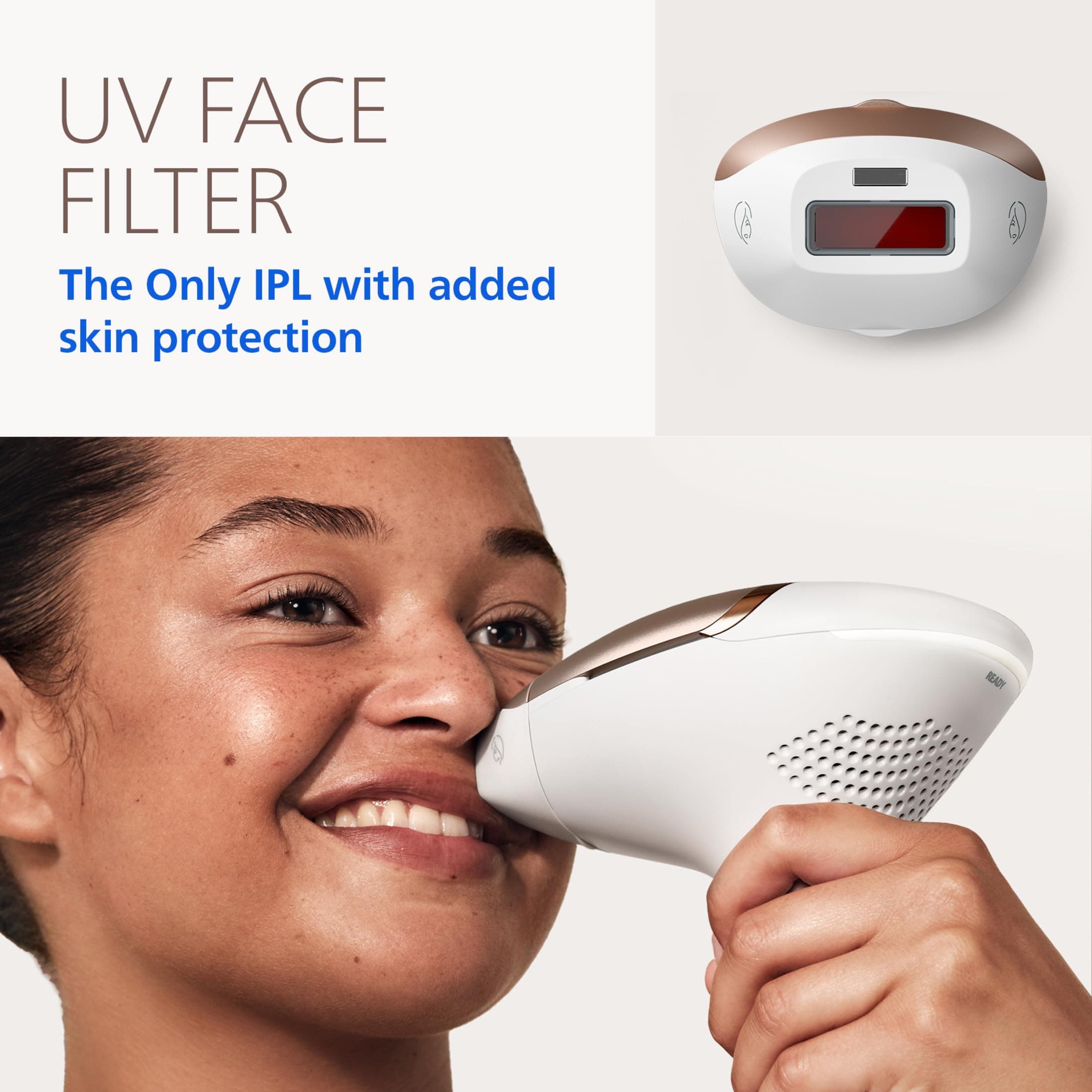
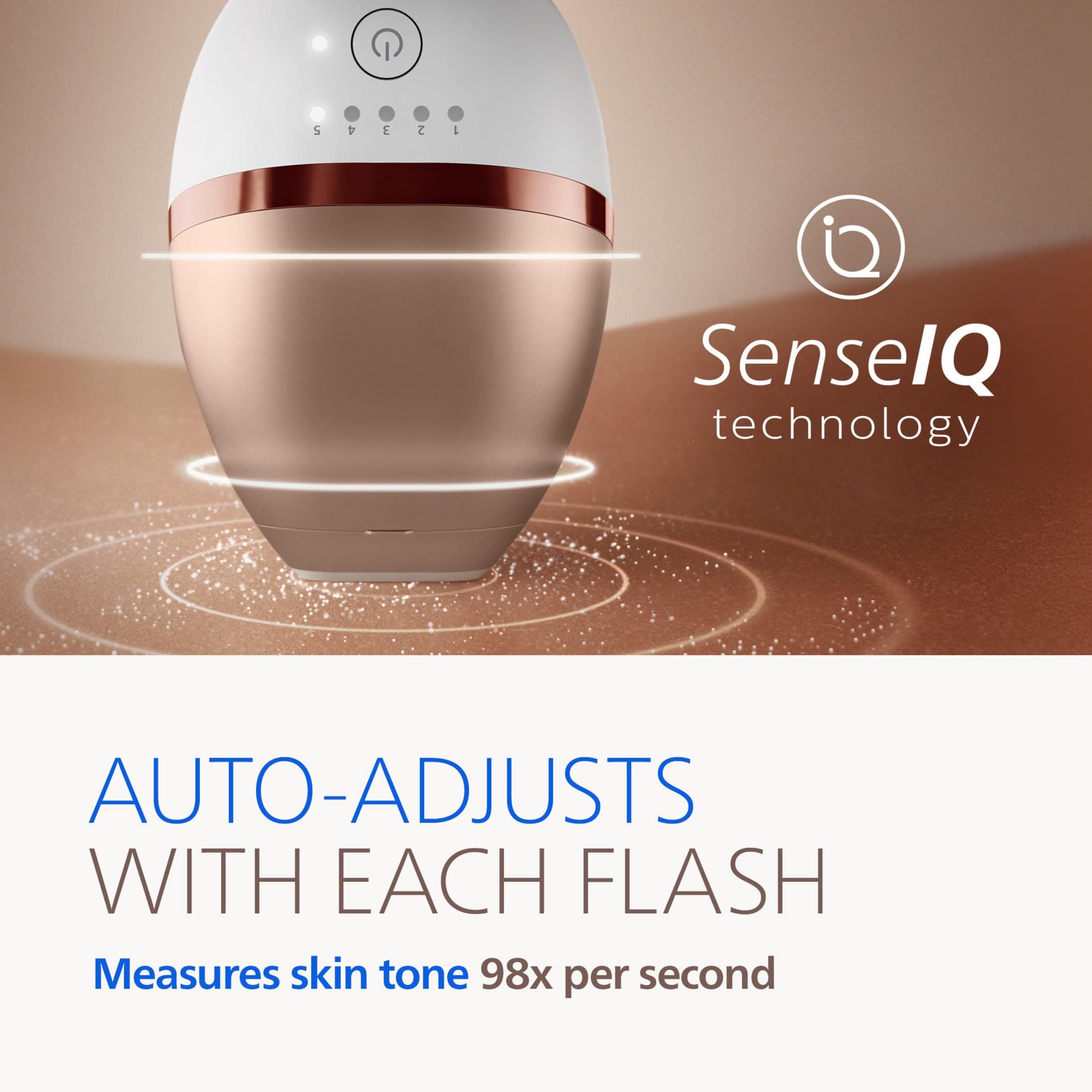
The hardware design prioritizes physical adaptability through a suite of specialized curved attachments. These contours are engineered to maintain consistent contact with the varying geometries of the body, addressing the difficulty of treating rounded areas like the knees or underarms where flat windows often struggle. Beyond physical fit, the device incorporates an integrated skin-tone sensor. This internal mechanism acts as a technical safeguard, actively scanning the treatment area to assist in determining if the skin's pigment level is compatible with the light intensity, reducing the guesswork involved in manual settings.
Specific to this product
Cons and Limitations
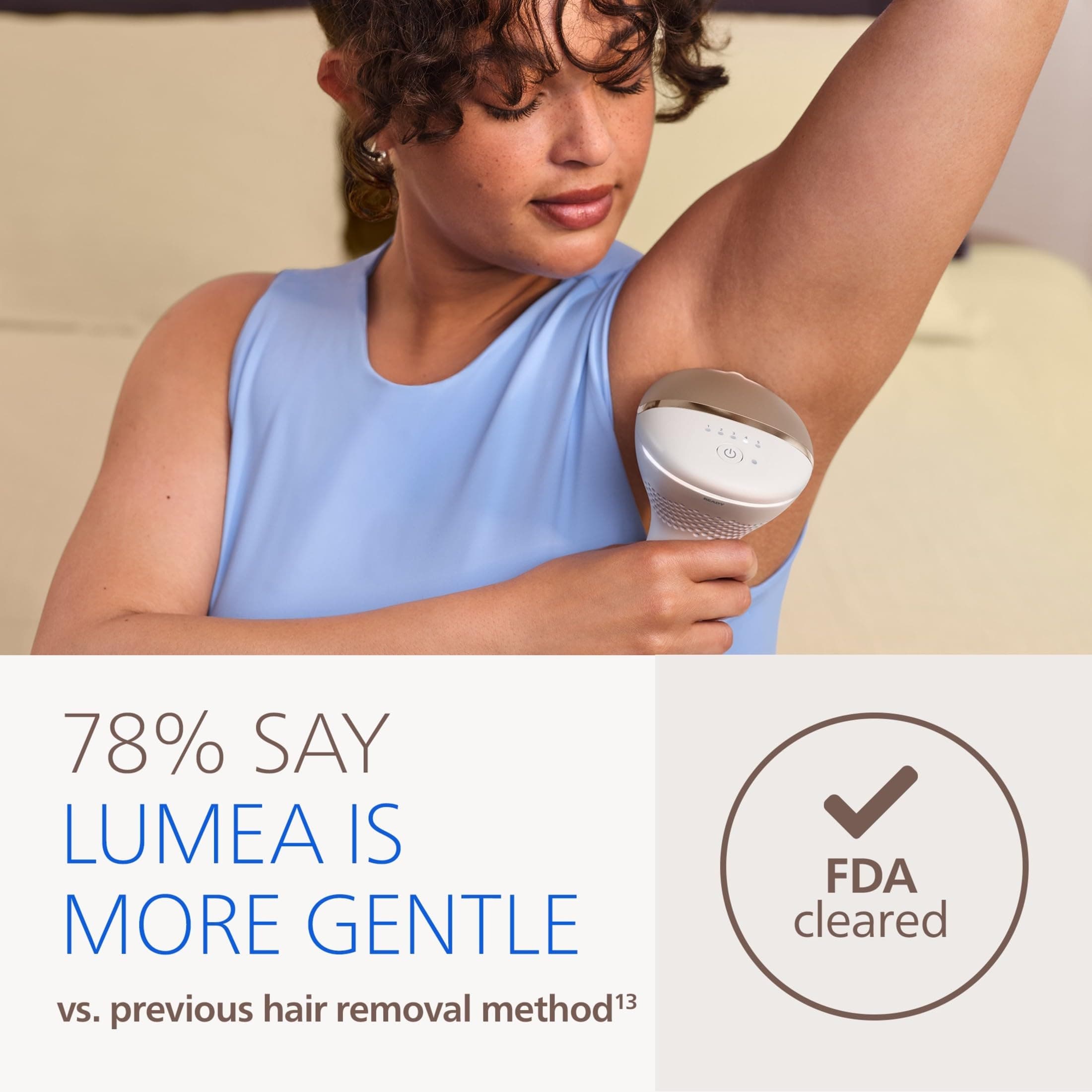
The primary drawback for a discerning buyer is the reliance on manufacturer-published materials for performance data. While the Lumea series is established, evidence for this specific BRI984/03 model is limited, and its exact efficacy relative to other devices in the same product family has not been established through independent study. Furthermore, external claims regarding the speed of results—specifically those suggesting visible changes in as few as two sessions—lack independent corroboration. Potential users should also note that manufacturer-stated hair reduction percentages remain unverified by third-party research, requiring a degree of trust in the brand's internal testing protocols.
Specific to this product
Is It Good Value?
Determining the value of this device requires weighing its specialized hardware against the limitations of its current evidence base. The inclusion of curved attachments tailored for specific body areas and an integrated skin-tone sensor suggests a design focused on user-specific application, which may justify the investment for those prioritizing ergonomic precision. However, potential buyers should remain skeptical of aggressive marketing claims regarding the speed of results, such as visible changes after only two sessions, as these lack independent corroboration. While the device belongs to a family cleared through the FDA 510(k) pathway, the specific data for this exact model is currently limited to manufacturer-published materials. For a consumer spending their own money, the value proposition rests on whether the hardware features outweigh the lack of external verification for its performance claims.
Alternatives to Consider
When evaluating whether to invest in this device, the primary alternative is professional in-clinic laser hair removal. While at-home IPL requires a consistent, long-term commitment to maintain results, professional treatments typically utilize higher energy densities that may achieve the desired outcome in fewer sessions, albeit at a significantly higher total cost and the inconvenience of office visits. For those committed to at-home use but seeking different specifications, other FDA-cleared IPL devices are available. These alternatives often carry their own model-specific clinical data, which may offer different insights into efficacy or skin tone compatibility that could better align with individual physiological needs or safety requirements.
How It Compares
When evaluating this device against professional in-clinic laser hair removal, the primary distinction lies in the energy source and the required time commitment. While professional treatments utilize high-intensity lasers administered by technicians, this at-home alternative relies on Intense Pulsed Light (IPL). For those weighing this against other at-home options, prioritize comparing it exclusively with other FDA-cleared devices that provide model-specific clinical data. This ensures you are measuring performance against systems that have undergone the same level of regulatory scrutiny and documented testing rather than generic alternatives lacking verified performance metrics.
Specific to this product
How We Evaluated It
Our evaluation of the Philips Lumea IPL 9000 Series BRI984/03 is based on a desk-research methodology that prioritizes verified manufacturer materials and regulatory filings. We analyzed the product identity and features as published by the manufacturer and cross-referenced the broader Philips Lumea IPL family against its FDA 510(k) clearance through the 510(k) pathway. While peer-reviewed literature provides a baseline for understanding IPL as a modality, we noted that independent, model-specific clinical outcome data for the BRI984/03 is not established in the available record. Consequently, our assessment distinguishes between general modality evidence and manufacturer-provided representations for this exact product.
Specific to this product
Decision Guide
The decision to invest in this device depends primarily on your physiological profile and your tolerance for limited performance data. You should consider this model if you are between 18 and 65 years old with a fair to medium-brown skin tone and naturally dark blond, brown, or black hair. However, you should skip this purchase if you have a darker skin tone or hair that is red, grey, white, or very light blond, as the technology is not intended for these profiles. Furthermore, if your buying criteria require independent, model-specific clinical trial evidence to verify effectiveness and safety incidence rates for the BRI984/03 specifically, you may find the current dossier insufficient, as it relies on manufacturer representations and general modality evidence rather than device-specific peer-reviewed outcomes.
Specific to this product
Final Verdict
The Philips Lumea IPL 9000 Series BRI984/03 presents a complex case for the discerning buyer. While it belongs to a product family cleared through the FDA 510(k) pathway for fair to medium-brown skin tones and naturally dark hair, the specific BRI984/03 model lacks independent, peer-reviewed clinical data to verify its individual performance. Because evidence is limited and model-specific efficacy has not been established outside of manufacturer representations, we cannot provide a definitive recommendation. Prospective users should weigh the general credibility of the Intense Pulsed Light modality against the absence of verified outcome data for this exact device. Until independent studies confirm safety incidence rates and results for this specific iteration, it remains a purchase based on brand trust rather than established clinical proof.
Frequently asked questions
Frequently Asked Questions
When evaluating the Philips Lumea IPL 9000 Series BRI984/03, it is important to distinguish between regulatory status and performance evidence. This at-home light-based device belongs to a product family cleared through the FDA 510(k) pathway, though the specific BRI984/03 model code is not explicitly named in the primary regulatory record. While intended for fair to medium-brown skin tones and naturally dark hair, evidence regarding its real-world efficacy remains not established. There is currently no independent, peer-reviewed clinical data specific to this exact product to verify the performance claims published by the manufacturer.
Product gallery
Interested in Philips Lumea IPL 9000 Series BRI984/03?
Check availabilityBeautivara operates as an independent editorial entity. When you choose to purchase a product through the links provided in our reviews, we may receive a commission from the retailer. This financial model supports our ability to conduct deep-dive investigations into product specifications and manufacturer data. It is important to note that our assessment of this product is based strictly on evidence-led desk research; we have not purchased, personally handled, or performed hands-on testing of the device for this evaluation.
Useful next decisions
Compare this product in context
Keep exploring
Related reviews
Braun Skin i-Expert Smart IPL PL7219
The Braun Skin i-Expert family is cleared through the 510(k) pathway, though it is important to note this is not an FDA approval. While the product family is registered, evidence for the specific PL7219 model remains limited to manufacturer descriptions. Without independent clinical trials, technical parameters such as exact wavelength or energy output, or validated sensor performance data for this specific code, efficacy and long-term safety for the PL7219 cannot be established. Prospective buyers should consider this a choice based on manufacturer feature claims and general IPL modality literature rather than model-specific independent data.
Read review →Ulike Air 10 IPL Hair Removal Device
The Ulike Air 10 represents a sophisticated iteration of home-use IPL technology, integrating sapphire cooling and automated skin-tone sensors. While independent research provides a foundation for the efficacy of the broader IPL category, and a related device within the Ulike family has received an FDA 510(k) clearance, readers should note that the Air 10 itself lacks independent clinical validation. Its utility is strictly bound by the manufacturer's skin tone and hair color requirements, making it a conditional choice rather than a universal recommendation. Given the reliance on manufacturer-sourced data for this specific model, it is best suited for those comfortable with a device whose exact performance and safety profile have not yet been verified by third-party studies.
Read review →Braun Silk·expert Pro 5 IPL5137
The Braun Silk·expert Pro 5 PL5137 is a manufacturer-documented IPL device with automatic skin-tone sensing, though independent clinical evidence is limited to the broader technology rather than this specific model.
Read review →