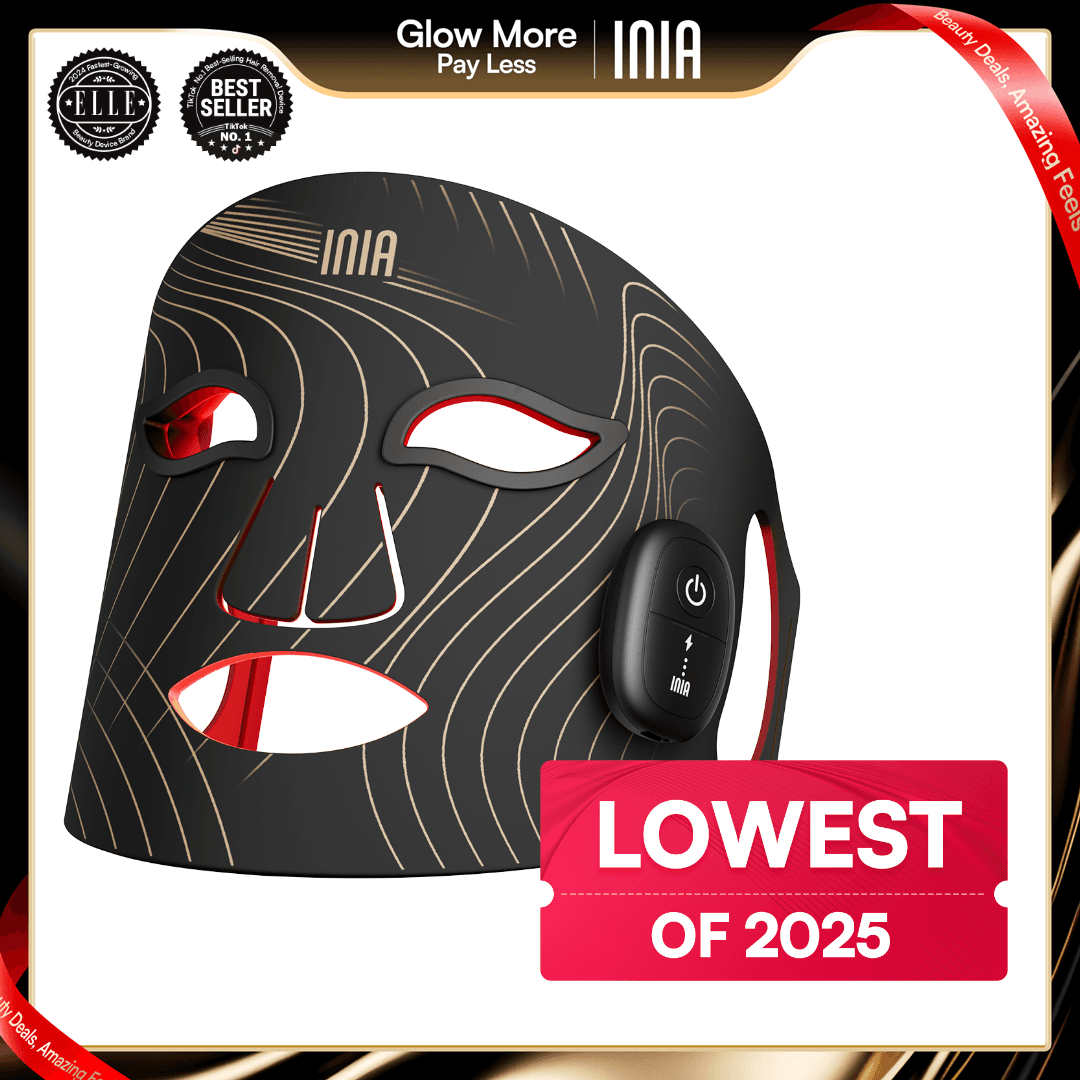
Quick verdict
Our verdict
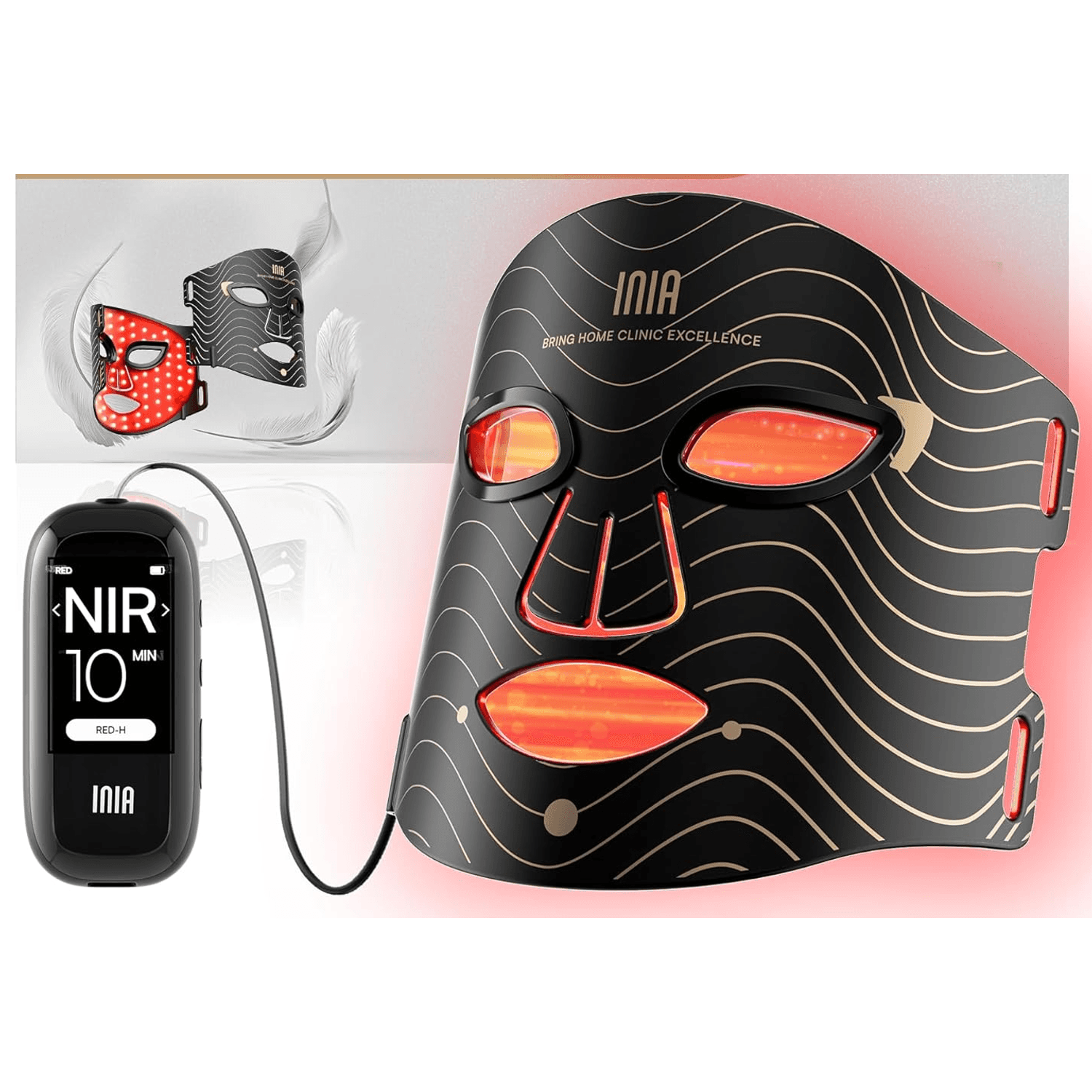
The INIA GLOW Wireless mask presents a high-density technical configuration, featuring 272 LEDs that deliver 105mW/cm² of irradiance across four specific wavelengths: Red (630nm), Blue (460nm), Yellow (610nm), and Near-Infrared (850nm). While these specifications align with the manufacturer's recommended regimen of three to five 10-minute sessions per week, the device lacks independent clinical validation or peer-reviewed evidence to support its efficacy or safety profile. Furthermore, a naming discrepancy between the product and its official documentation, combined with a total absence of third-party safety data, makes it impossible to issue a confident recommendation. Until independent data clarifies these performance and identity gaps, this is a skip for those prioritizing evidence-backed beauty technology.
Who This Is For
This device is designed for the disciplined consumer who views skincare as a ritual rather than a quick fix. To align with the manufacturer's intended use, you must be prepared to commit to a structured routine of three to five 10-minute sessions each week. This initial intensive phase lasts between two and five weeks before transitioning into a long-term maintenance schedule. If your lifestyle allows for this level of consistency, you fit the profile of the intended user.
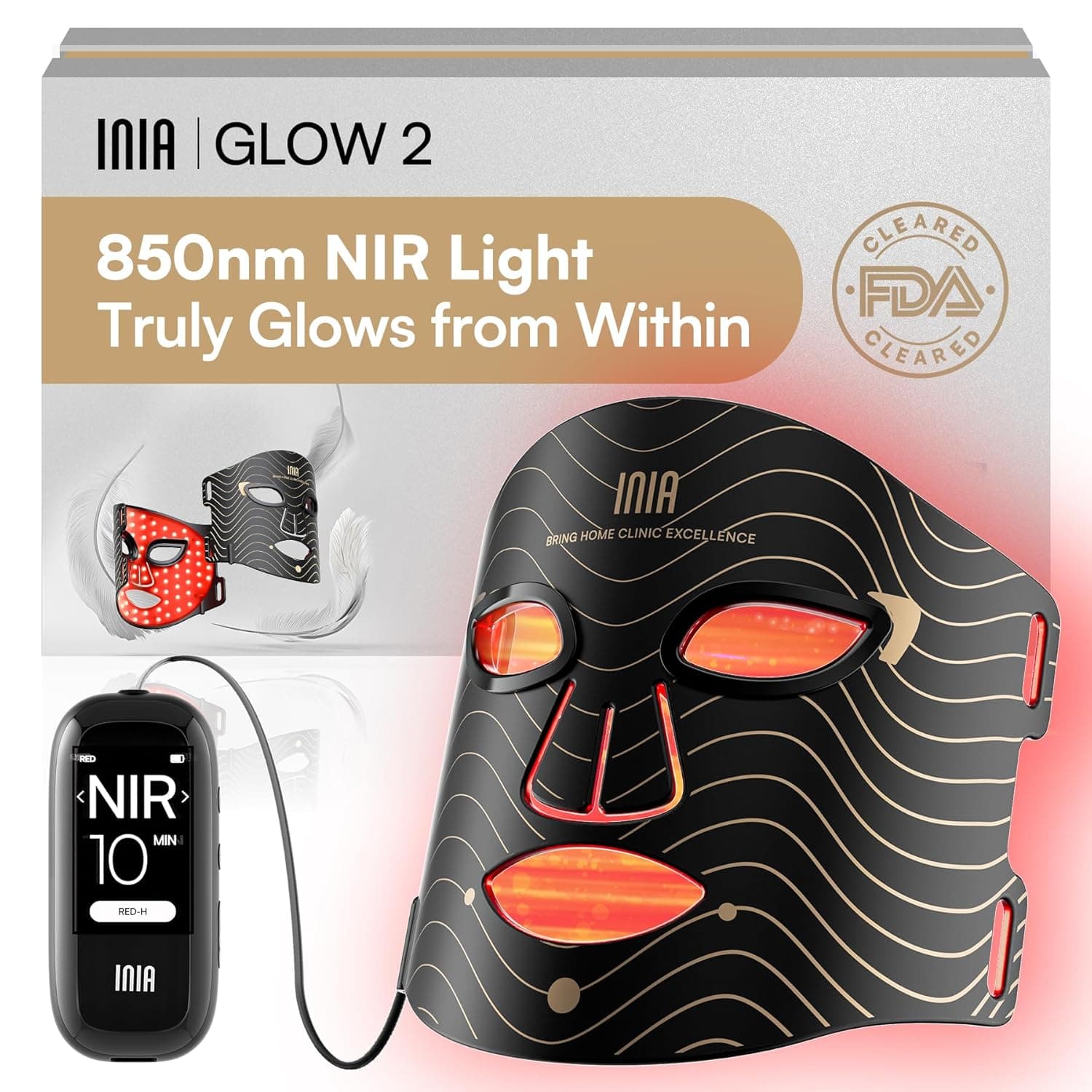
Who Should Skip It
If your purchasing criteria include independent, third-party clinical validation, this device is a skip. The current data set relies on manufacturer-provided specifications rather than external peer-reviewed studies. Furthermore, the absence of verified safety guidance regarding photosensitivity or use during pregnancy creates a significant information gap. Because the manufacturer sources do not provide specific contraindications or adverse-event data, those with underlying skin sensitivities or medical concerns that require clear precautionary protocols should look for an alternative with more transparent safety documentation.
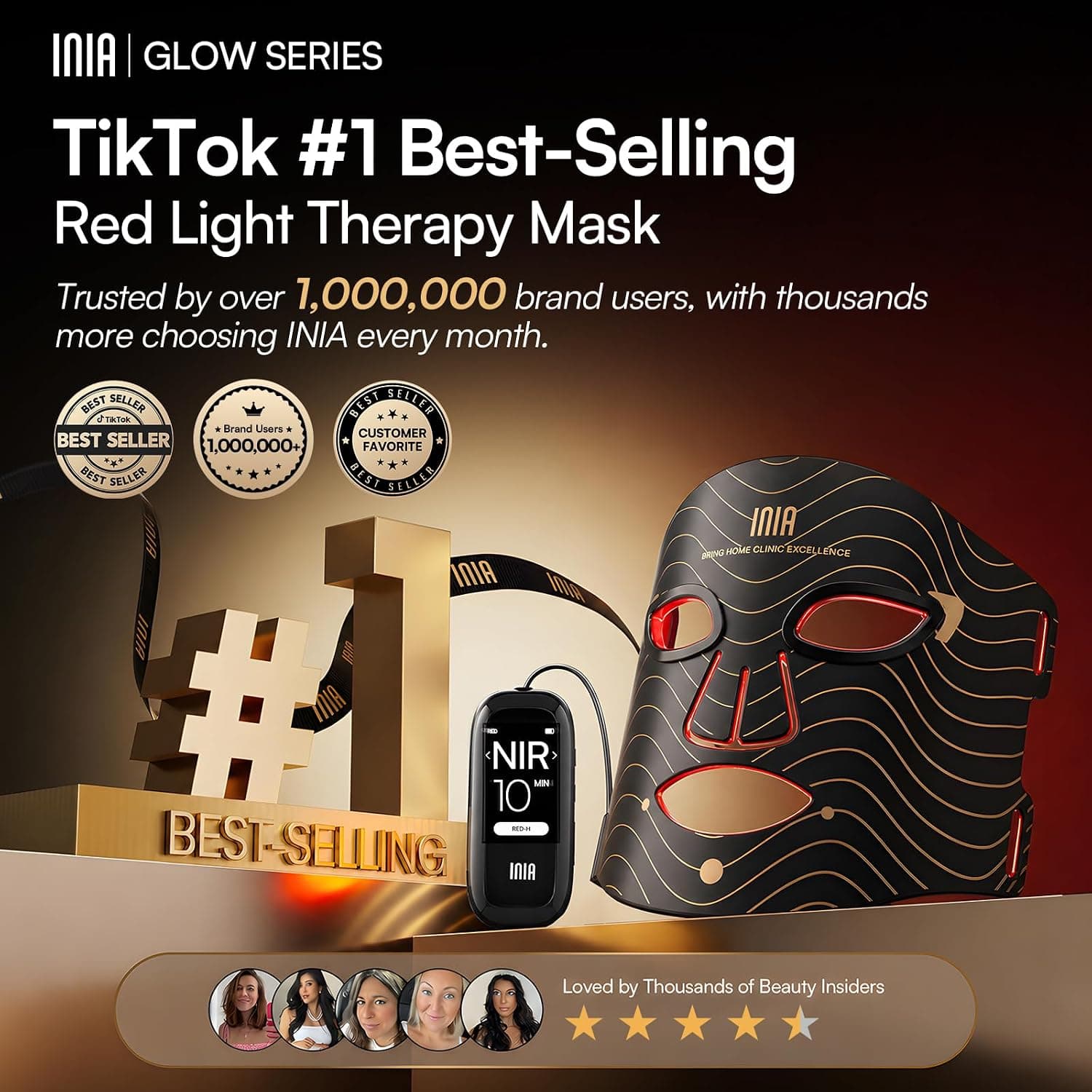
How the Technology Works
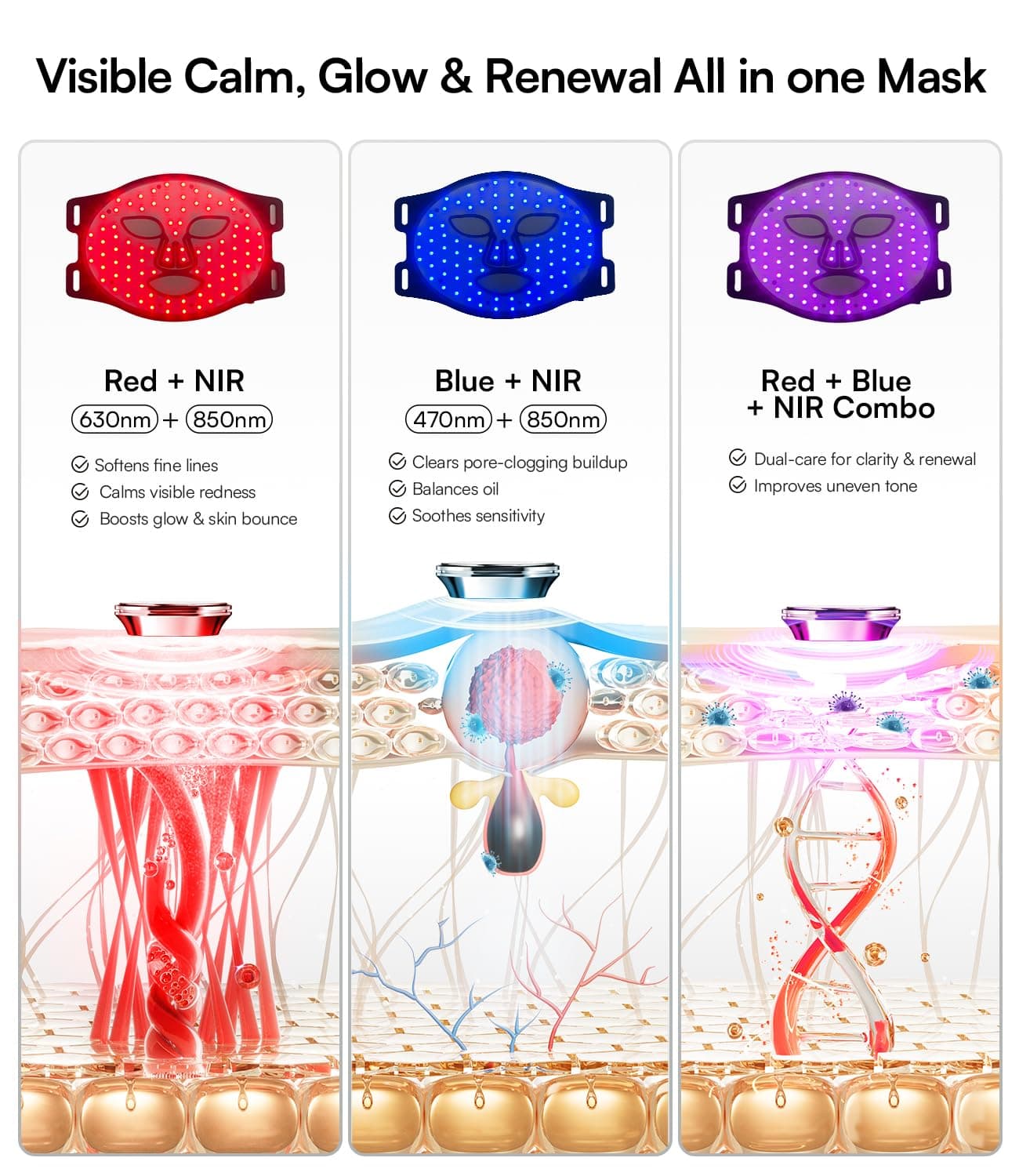
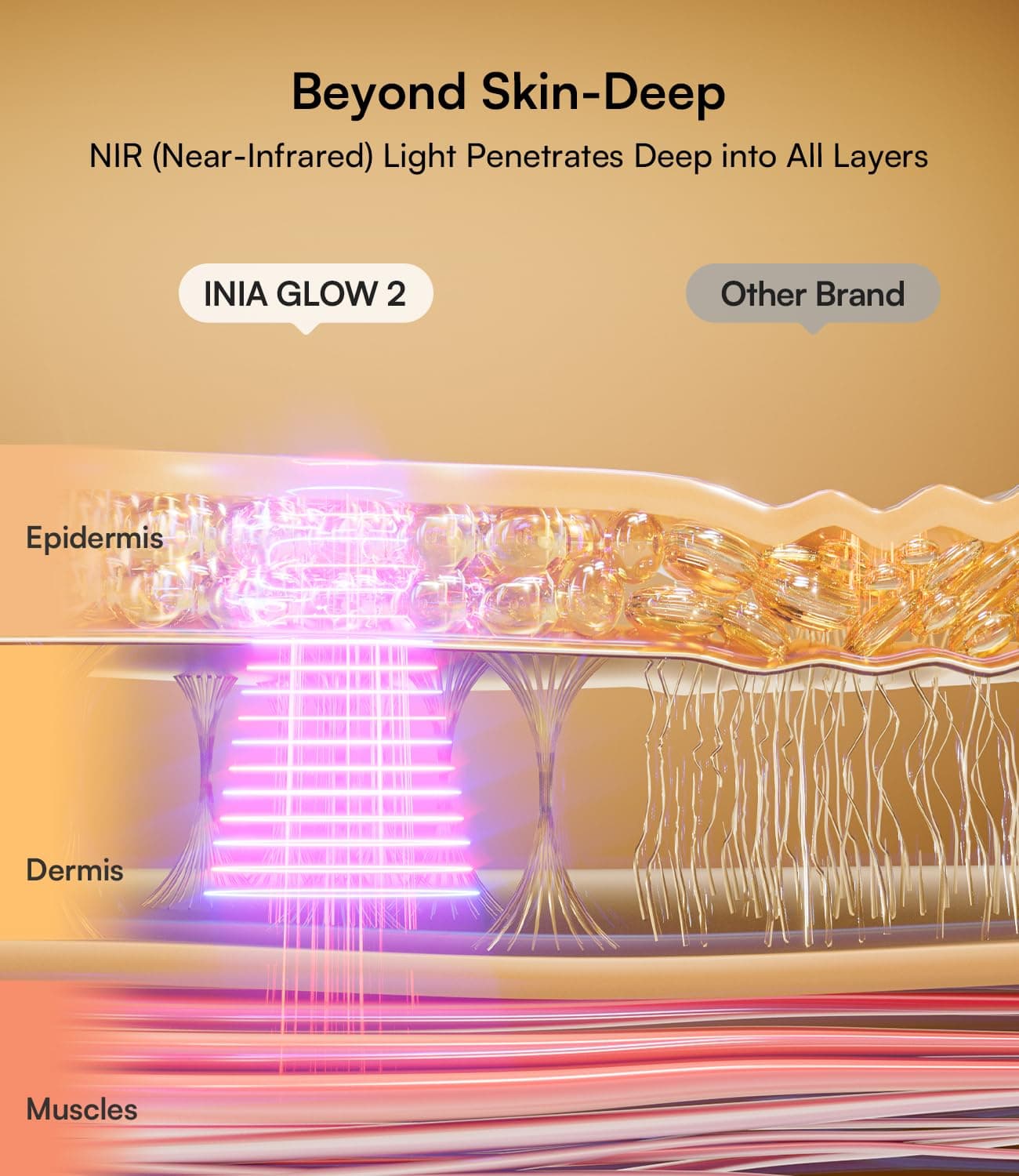
The INIA GLOW Wireless mask utilizes specific wavelengths of light intended to interact with skin tissue, a process governed by the device's irradiance level. According to manufacturer specifications, the unit delivers an irradiance of 105mW/cm², which represents the power density or intensity of the light reaching the skin surface. In the context of light-based hardware, this measurement is the primary driver of how energy is distributed across the treatment area. While the underlying science of these wavelengths is a subject of broader study, the functional output and performance metrics of this particular device rely entirely on data provided by the manufacturer rather than independent laboratory verification.
What the Evidence Really Says
The technical foundation of the INIA GLOW Wireless mask rests on manufacturer-provided documentation rather than independent peer-reviewed studies. While the hardware specifications are clearly defined—specifically the use of 272 medical-grade LEDs delivering 105mW/cm² of irradiance—these figures represent the device's potential output rather than verified clinical outcomes. The utility of the four wavelengths (630nm, 460nm, 610nm, and 850nm) is supported by internal technical data, which confirms the hardware is capable of emitting these specific light profiles during the recommended 10-minute sessions. However, readers should note that the suggested 2-to-5-week treatment protocol is a manufacturer guideline for usage frequency, not a result of third-party validation. The evidence confirms what the machine is built to do, but leaves the actual biological impact to be determined by individual experience.
Evidence at a Glance
When evaluating the INIA GLOW Wireless, it is essential to distinguish between verified hardware specifications and the lack of external validation. The manufacturer provides clear technical data for the device's internal components, confirming it utilizes 272 medical-grade LEDs to output four specific wavelengths: Red (630nm), Blue (460nm), Yellow (610nm), and Near-Infrared (850nm). These LEDs are engineered to deliver an irradiance power of 105mW/cm², a metric that defines the energy intensity reaching the skin during the recommended three to five weekly 10-minute sessions. While the hardware capabilities and intended usage protocols are documented by the manufacturer, there is a notable absence of independent clinical studies or third-party safety documentation to corroborate the device's performance in a real-world setting. Consequently, while the technical build is transparently defined, the broader efficacy remains suggested by the hardware potential rather than verified by external scientific scrutiny.
Our Confidence
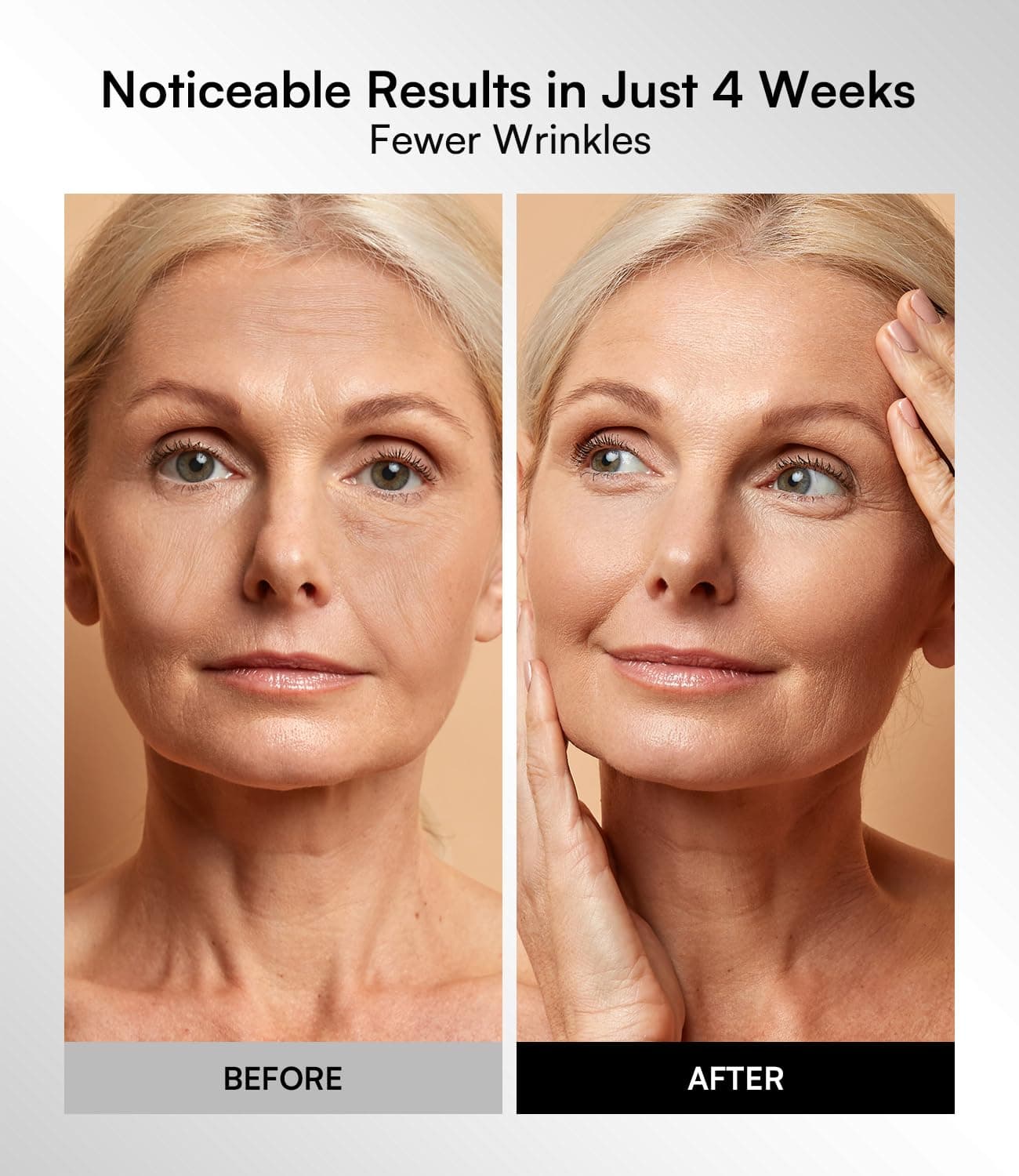
Our assessment of the INIA GLOW Wireless mask is grounded in its verified hardware specifications, which align with high-output industry standards. We can confirm the device utilizes 272 LEDs to deliver a significant irradiance of 105mW/cm² across four specific wavelengths: Red (630nm), Blue (460nm), Yellow (610nm), and Near-Infrared (850nm). While these technical parameters are robust, our confidence is tempered by the absence of independent clinical validation or documented regulatory clearance, such as an FDA 510(k). Because long-term safety data and contraindications for specific health conditions remain unverified by third-party sources, we view the manufacturer's performance claims with healthy skepticism. Readers should weigh the device's high power output against the lack of external oversight before committing to the recommended multi-week treatment protocol.
What Results Can You Reasonably Expect?
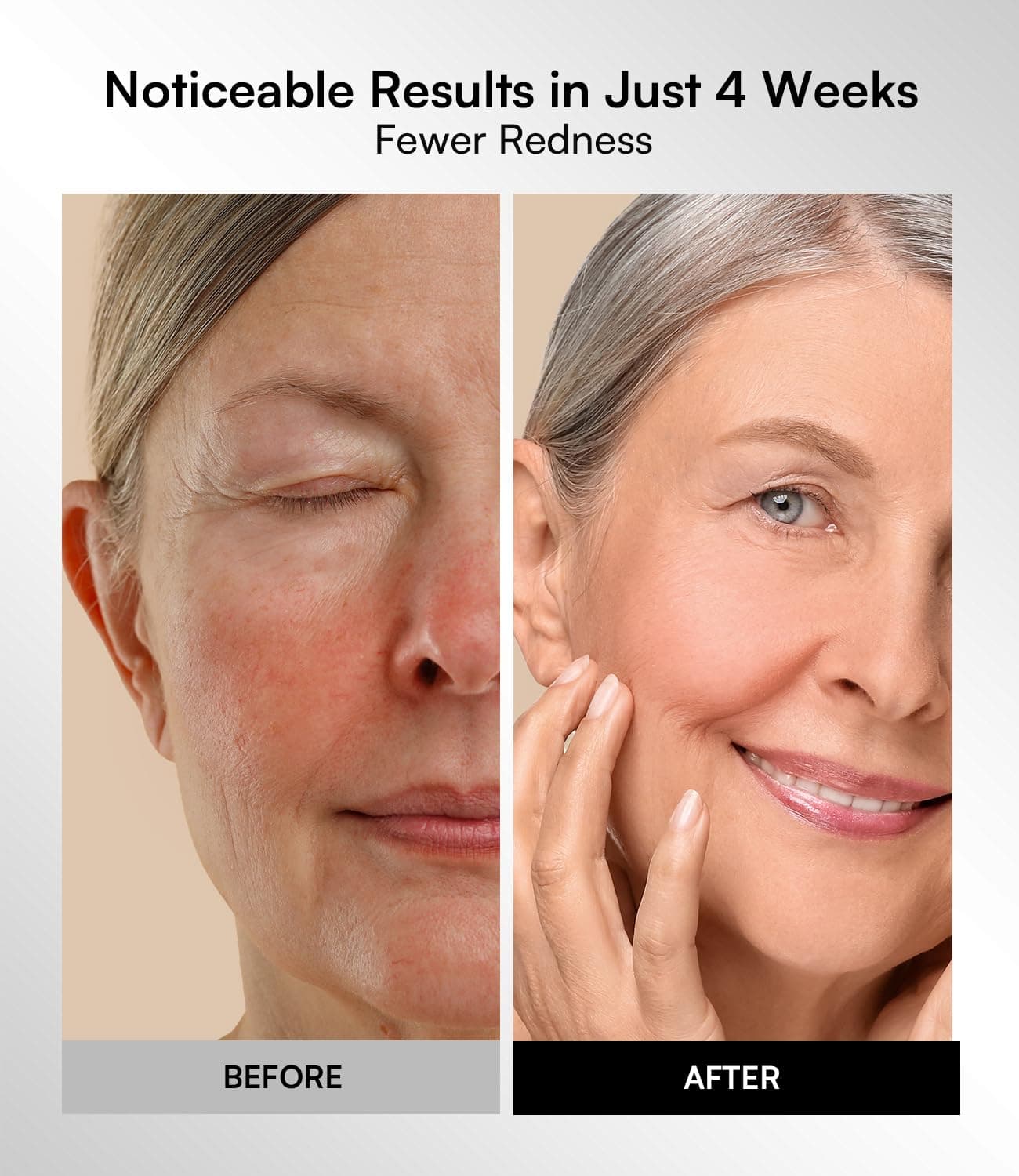
When evaluating the INIA GLOW Wireless, it is critical to distinguish between technical hardware capabilities and verified biological outcomes. Manufacturer documentation outlines a specific LED count and intended irradiance levels, which suggests the device is engineered to deliver light at targeted wavelengths. However, these specifications remain internal benchmarks rather than independently verified performance metrics. Without third-party spectrometry to confirm that the light output matches the stated wavelengths in practice, the precision of the delivery system remains an unverified technical claim.
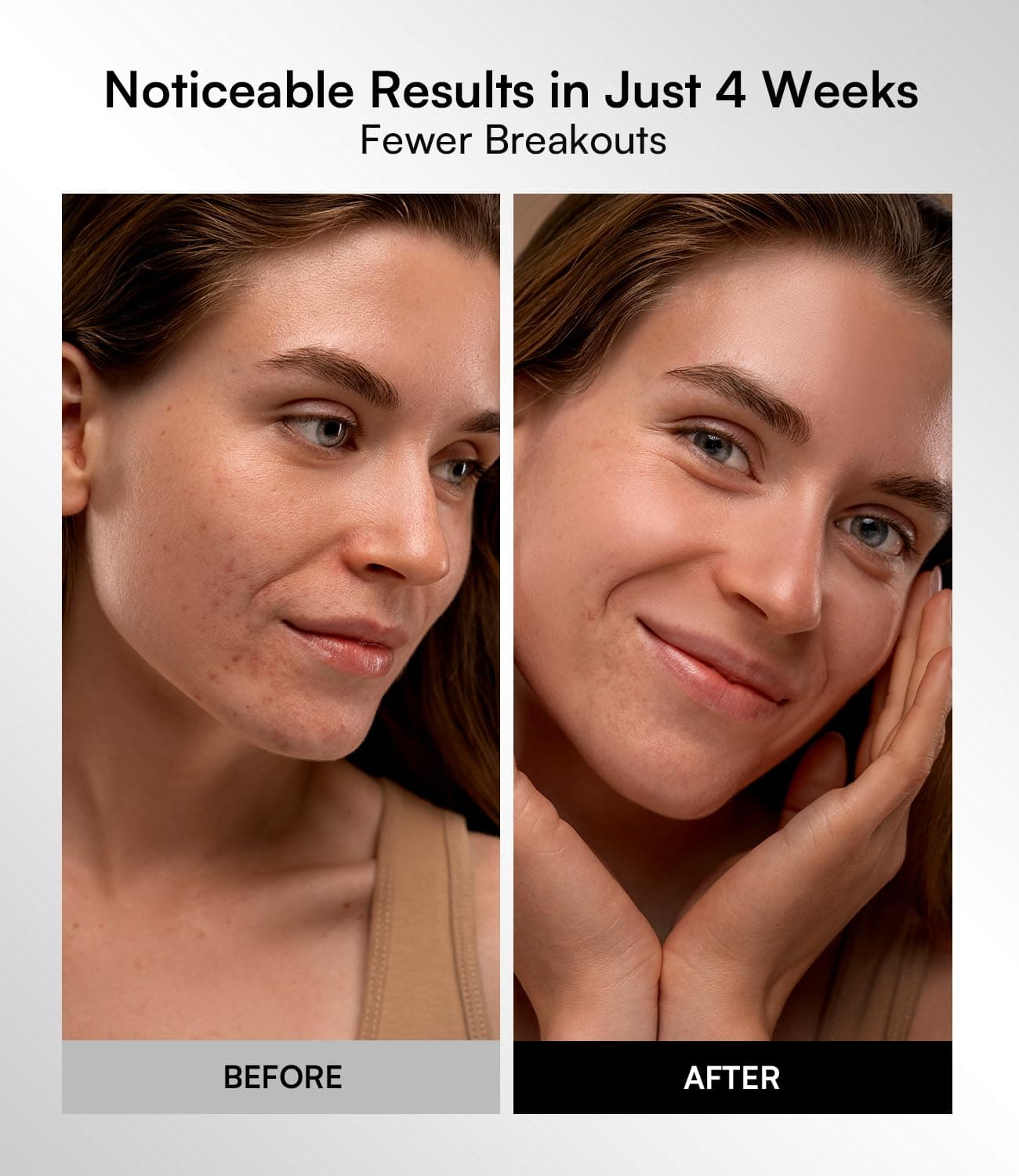
Prospective users should maintain a high degree of skepticism regarding specific skin improvements. While the hardware is designed for light emission, there is currently no independent verification of the marketing claims regarding efficacy. Furthermore, the absence of documented regulatory clearance, such as an FDA 510(k), means the device has not undergone the standardized review processes typically used to substantiate safety and effectiveness for consumer medical tech. Because long-term safety data and contraindications for specific health conditions are not established, the range of possible outcomes—and the risks associated with prolonged use—remains undefined.
What to Expect Before You Buy
When preparing to purchase the INIA GLOW Wireless, be aware that you may encounter the device under slightly different names depending on the retailer, though official documentation identifies it as the GLOW Wireless model. The hardware configuration consists of 272 medical-grade LEDs designed to emit a high irradiance power of 105mW/cm². This output is distributed across four specific light channels: Red (630nm), Blue (460nm), Yellow (610nm), and Near-Infrared (850nm). While these specifications are provided by the manufacturer, they have not been verified by independent spectrometry, which is a common gap in the consumer beauty tech market. Buyers should rely on the manufacturer's stated technical parameters as the primary basis for their purchase decision until third-party data becomes available.
Expert Tip
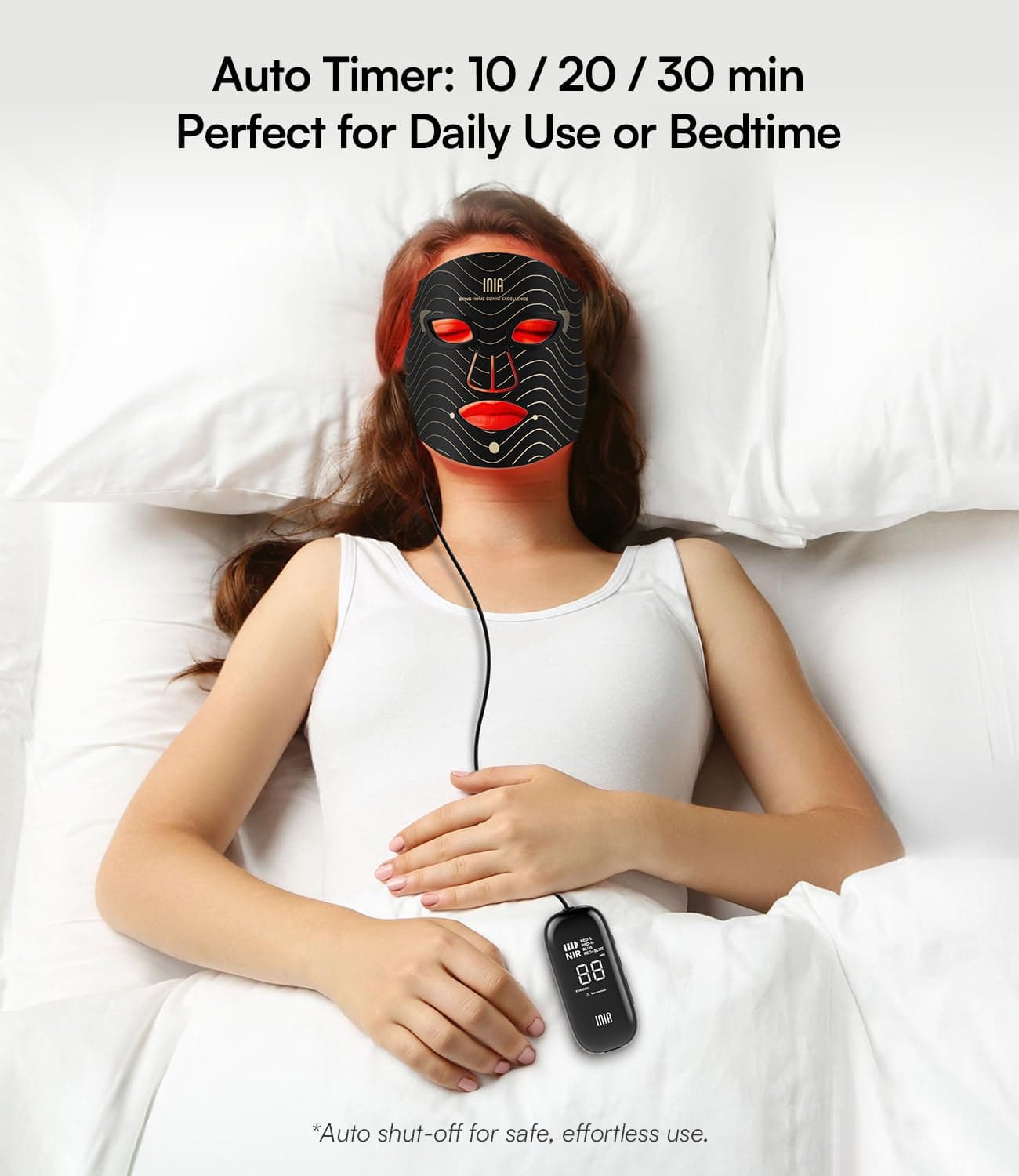
When evaluating the INIA GLOW Wireless, the most critical detail to monitor is the discrepancy between manufacturer-reported irradiance and the lack of third-party verification. While the 105mW/cm² specification suggests a high power output for a wireless device, this figure has not been confirmed by independent spectrometry. Furthermore, because official documentation uses the name INIA GLOW Wireless while some retail listings may vary, ensure the model number matches the manufacturer's technical specifications to confirm you are receiving the specific wavelength technology intended for your regimen.

Buying Advice
Deciding on this device requires a realistic assessment of your lifestyle and your tolerance for data gaps. The primary commitment is temporal; you must be prepared to integrate three to five 10-minute sessions into your weekly routine for an initial five-week period, followed by ongoing maintenance. If your schedule cannot accommodate this frequency, the investment is unlikely to yield the intended utility. Beyond the time commitment, your decision hinges on how much you value external verification. Because this product lacks independent, third-party clinical validation and provides no specific safety guidance for pregnant users or those with photosensitivity, it is not suitable for buyers who prioritize documented safety profiles and peer-reviewed efficacy. If these omissions are deal-breakers, you should instead look toward LED masks that provide transparent FDA clearance documentation or published clinical trial results.
Common Mistakes to Avoid
A primary error when researching this device is relying on retail listings that may use inconsistent naming conventions; ensure you are referencing the INIA GLOW Wireless to match official documentation. Beyond nomenclature, avoid assuming that the technical specifications for irradiance and wavelength are absolute. These values lack confirmation from independent spectrometry, so users should not treat the manufacturer's light output claims as verified data points. Furthermore, the absence of safety, contraindication, or adverse-event information in manufacturer sources creates a significant gap in guidance. It is a mistake to interpret this lack of documentation as an assurance of universal suitability. Without specific warnings or usage restrictions provided, users must proceed without a clear understanding of who should avoid the device or what side effects might occur.
What We Still Don't Know
While the technical specifications for the INIA GLOW Wireless are listed in marketing materials, several critical data points remain unverified by third-party sources. Most notably, the device lacks public record of regulatory clearance, such as an FDA 510(k) submission, which is the standard benchmark for confirming the safety and efficacy of light-based therapy tools in the United States. Furthermore, the irradiance levels and specific light wavelengths have not been validated through independent spectrometry, leaving a gap between the manufacturer's performance claims and confirmed output. Potential users should also note the absence of long-term safety data or specific guidance regarding contraindications for complex health conditions. This lack of transparency extends to the product’s identity, as official documentation uses the name INIA GLOW Wireless while some retail listings vary, complicating the verification of its testing history.
Important Warning
The most critical safety consideration for this product is a significant gap in the available documentation. Verified manufacturer sources provide no information regarding potential adverse events, contraindications, or specific safety precautions. This absence of data means that users cannot currently evaluate how the device might interact with existing medical conditions, skin sensitivities, or other health factors. Until such guidance is provided, it is impossible to determine who should avoid this technology or what risks may be associated with its use.
Safety and Contraindications
The verified manufacturer documentation for this product contains no information regarding safety protocols, potential contraindications, or adverse events. This absence of data means there is no established guidance on who should avoid the device or what specific side effects might occur during or after use. Without these disclosures, it is impossible to determine if the technology is suitable for individuals with specific medical conditions, skin sensitivities, or implanted devices. Users must proceed with the understanding that the safety profile remains undefined by the source material.
How to Use It Responsibly
Responsible use of the INIA GLOW Wireless mask requires managing a high-density output of 105mW/cm² delivered through 272 LEDs. Because the manufacturer has not provided specific safety protocols, contraindications, or adverse-event warnings, users must proceed with caution. The device utilizes four distinct wavelengths—Red (630nm), Blue (460nm), Yellow (610nm), and Near-Infrared (850nm)—each of which interacts differently with the skin. Without official guidance on session duration or frequency, it is critical to monitor your skin's response to these specific manufacturer-reported specifications, as the high irradiance level suggests a potent delivery of light energy.
Pros
The INIA GLOW Wireless mask distinguishes itself through hardware density and operational freedom. By incorporating 272 medical-grade LEDs, the device provides a high concentration of light sources across the facial surface, which is critical for ensuring uniform exposure. This density supports a reported irradiance power of 105mW/cm², a technical specification that indicates the intensity of energy delivered during a session. The integration of four distinct wavelengths—Red (630nm), Blue (460nm), Yellow (610nm), and Near-Infrared (850nm)—allows for a multi-spectrum approach within a single 10-minute treatment. Furthermore, the wireless architecture removes the tether of a power cord, enabling you to remain mobile rather than stationary during use.
Cons and Limitations
Potential buyers should note a lack of consistency in product identification, as the official name, INIA GLOW Wireless, frequently deviates from various retail descriptions. More critically, the technical specifications regarding irradiance and specific wavelengths lack independent spectrometry validation, meaning the precise energy output reaching the skin remains unverified. This absence of third-party data extends to the manufacturer's marketing claims, which have not been corroborated by accessible independent studies. Furthermore, there is no public record of regulatory clearance, such as an FDA 510(k) submission, which is a standard benchmark for ensuring the safety and efficacy of light-based devices. The current data set also lacks long-term safety observations or a comprehensive list of contraindications for users with specific underlying health conditions, requiring a cautious approach for those with sensitive medical histories.
Is It Good Value?
Determining the value of the INIA GLOW Wireless requires weighing its technical specifications against the lack of independent verification. The hardware proposition is significant, featuring 272 medical-grade LEDs that provide a high density of light sources across four distinct wavelengths: Red (630nm), Blue (460nm), Yellow (610nm), and Near-Infrared (850nm). For those prioritizing power, the reported irradiance of 105mW/cm² suggests a potent delivery system compared to lower-output consumer masks. The wireless architecture further enhances its utility by removing the tether of a power cord during the 10-minute sessions. However, the investment carries a degree of uncertainty. The reported irradiance and wavelength specifications rely solely on manufacturer documentation and have not been confirmed by independent spectrometry. Potential buyers must decide if the high LED count and mobility outweigh the ambiguity surrounding these unverified technical claims and the inconsistent naming conventions found in retail listings.
Alternatives to Consider
For those prioritizing established regulatory oversight, the most logical alternatives are LED face masks that provide accessible FDA clearance documentation or published third-party clinical trial data. While the current device presents its own specifications, the market offers several options where the manufacturer has undergone the formal process of submitting safety and efficacy data for independent review. Selecting a device with these verified credentials may be preferable for users who require documented evidence of a product's performance standards before investing in light-based skin technology.
How It Compares
When evaluating this device against others in the light therapy category, the primary benchmark for comparison is the presence of third-party clinical trials or specific FDA clearance documentation. These external validations serve as the standard for verifying that a mask delivers the specific wavelengths and energy density required to influence skin physiology. In a market where technical specifications are often self-reported by manufacturers, prioritizing devices that provide transparent, independent data allows for a more objective assessment of value and performance relative to this model.
How We Evaluated It
This assessment relies on a desk-research methodology that prioritizes technical verification over marketing claims. We focused on auditing the manufacturer's official specifications for the INIA GLOW Wireless mask, specifically cross-referencing the reported 272 LEDs and 105mW/cm² irradiance power against their internal documentation. Our evaluation process involves categorizing sources by their independence; in this case, the data is derived from manufacturer-owned materials, which are classified as moderate-quality evidence. We also investigated the availability of peer-reviewed clinical studies and safety documentation to corroborate the stated wavelengths and usage regimen. The evaluation remains limited by an absence of third-party data and a naming discrepancy within the verified sources, factors that directly inform our cautious stance on the device's overall evidence profile.
Decision Guide
Purchase this device only if you are comfortable relying solely on manufacturer-provided technical specifications and are prepared to commit to a consistent schedule of three to five 10-minute sessions per week. Skip this product if you require independent, third-party clinical validation or if you need documented safety guidance regarding pregnancy and photosensitivity before investing. Because the available data is limited to manufacturer-owned sources and contains unresolved discrepancies regarding the product's identity, the decision rests on your tolerance for a lack of peer-reviewed evidence and safety contraindications.
Final Verdict
The INIA GLOW Wireless mask presents a technical profile centered on 272 LEDs across four wavelengths—630nm, 460nm, 610nm, and 850nm—with a reported irradiance of 105mW/cm². However, the decision to invest in this device depends on your comfort with limited data. Because the current evidence base consists solely of manufacturer-provided specifications without independent clinical corroboration or peer-reviewed safety studies, a confident recommendation is not possible at this time. Furthermore, an unresolved naming discrepancy in official documentation and a lack of disclosed contraindications suggest that cautious consumers should wait for more robust, third-party verification before proceeding.
Frequently asked questions
Frequently Asked Questions
The INIA GLOW Wireless mask is designed to replicate professional light therapy through a high-density array of 272 medical-grade LEDs. It utilizes four specific wavelengths: Red (630nm), Blue (460nm), Yellow (610nm), and Near-Infrared (850nm), delivering an irradiance power of 105mW/cm². While these technical specifications are substantial, it is important to note that the performance and safety profile currently rely on manufacturer-provided data rather than independent clinical validation. For those integrating this into a routine, the protocol involves three to five 10-minute treatments per week over an initial period of 2-5 weeks, transitioning to maintenance sessions thereafter.
Interested in INIA Red Light Therapy Mask?
Check availabilityBeautivara operates as an independent editorial entity supported by reader actions; we may earn a commission when you purchase through the links provided in our reviews. Our evaluation process relies strictly on evidence-led desk research rather than personal use. It is important to note that for this specific review, we did not purchase the product, nor did we conduct hands-on testing or physical assessments. This model allows us to maintain an analytical distance from the products we cover, focusing on the available data and manufacturer claims rather than subjective experience.
Useful next decisions
Compare this product in context
Keep exploring
Related reviews
NEWKEY 4D LED Red Light Therapy Mask
The NEWKEY 4D (model NEWKEY-01) is recommended with limitations for buyers seeking a regulated, plug-in LED device that provides documented wavelengths and power densities at a lower price point than many premium competitors. While the device family is recorded under FDA K230351 with specific output ranges for red, blue, and amber light, its exact cosmetic outcomes remain not established by independent clinical trials. This recommendation is restricted to those who prioritize verified technical specifications and safety testing standards over product-specific clinical evidence. Because peer-reviewed data for home-use LED technology is often modest or heterogeneous, this device is best suited for users who accept that modality-level inferences are not a substitute for proven results on this specific model.
Read review →Ulike ReGlow UM10
The Ulike ReGlow UM10 is a regulated device that offers a documented range of wavelengths, including blue, yellow, red, and near-infrared light. While its technical specifications are verified through regulatory documentation and nonclinical testing, its specific clinical outcomes are less certain. Current evidence for its effectiveness relies on general research into light-based modalities rather than trials conducted on this specific product. We recommend it with limitations for those who prioritize a device with multiple mode choices and a documented technical profile, provided they understand that individual results are supported by technology trends rather than product-specific clinical data.
Read review →iRestore Illumina — White
The iRestore Illumina is a suitable option for those prioritizing a streamlined ten-minute routine and a documented three-wavelength specification including blue, red, and near-infrared light. While the device utilizes 360 tri-chip bulbs to deliver these wavelengths, its recommendation is limited to buyers who accept that its effectiveness is inferred from general modality research rather than exact-product clinical trials. You should consider this mask if you value the convenience of a simple, comfortable session and are comfortable with evidence based on randomized photoaging and pooled acne studies rather than controlled findings specific to this device's exact dose.
Read review →