Quick verdict
Our verdict
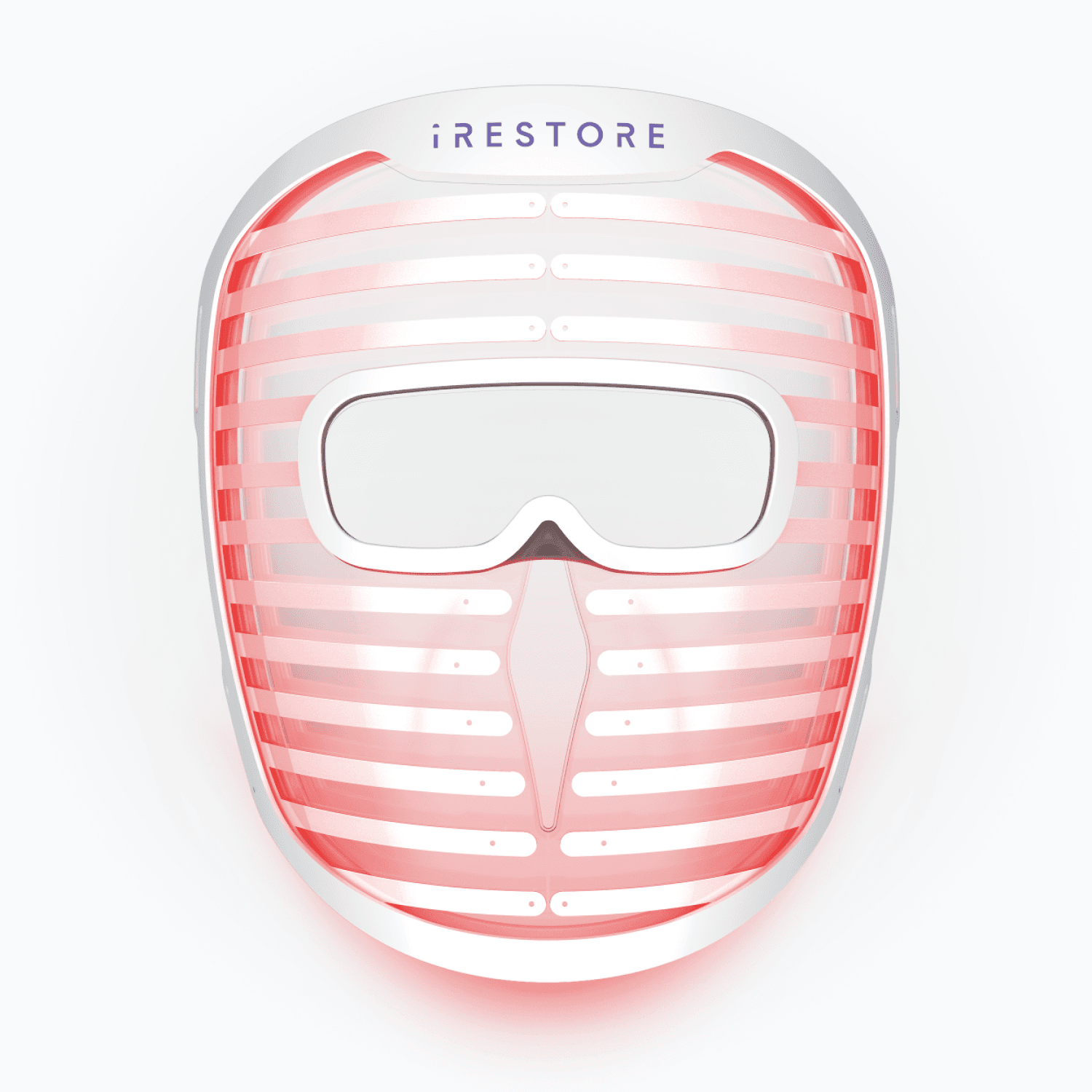
The iRestore Illumina is a suitable option for those prioritizing a streamlined ten-minute routine and a documented three-wavelength specification including blue, red, and near-infrared light. While the device utilizes 360 tri-chip bulbs to deliver these wavelengths, its recommendation is limited to buyers who accept that its effectiveness is inferred from general modality research rather than exact-product clinical trials. You should consider this mask if you value the convenience of a simple, comfortable session and are comfortable with evidence based on randomized photoaging and pooled acne studies rather than controlled findings specific to this device's exact dose.
Choose it if
This device is engineered for the data-driven consumer who values hardware density over portability.
Read the full sectionSkip it if
This device is not suitable for buyers who prioritize regulatory transparency and verified performance metrics. You should skip this model if you require a product with a confirmed FDA 510(k) clearance or a GUDID regulatory record, as these are absent here.
Read the full sectionWho This Is For
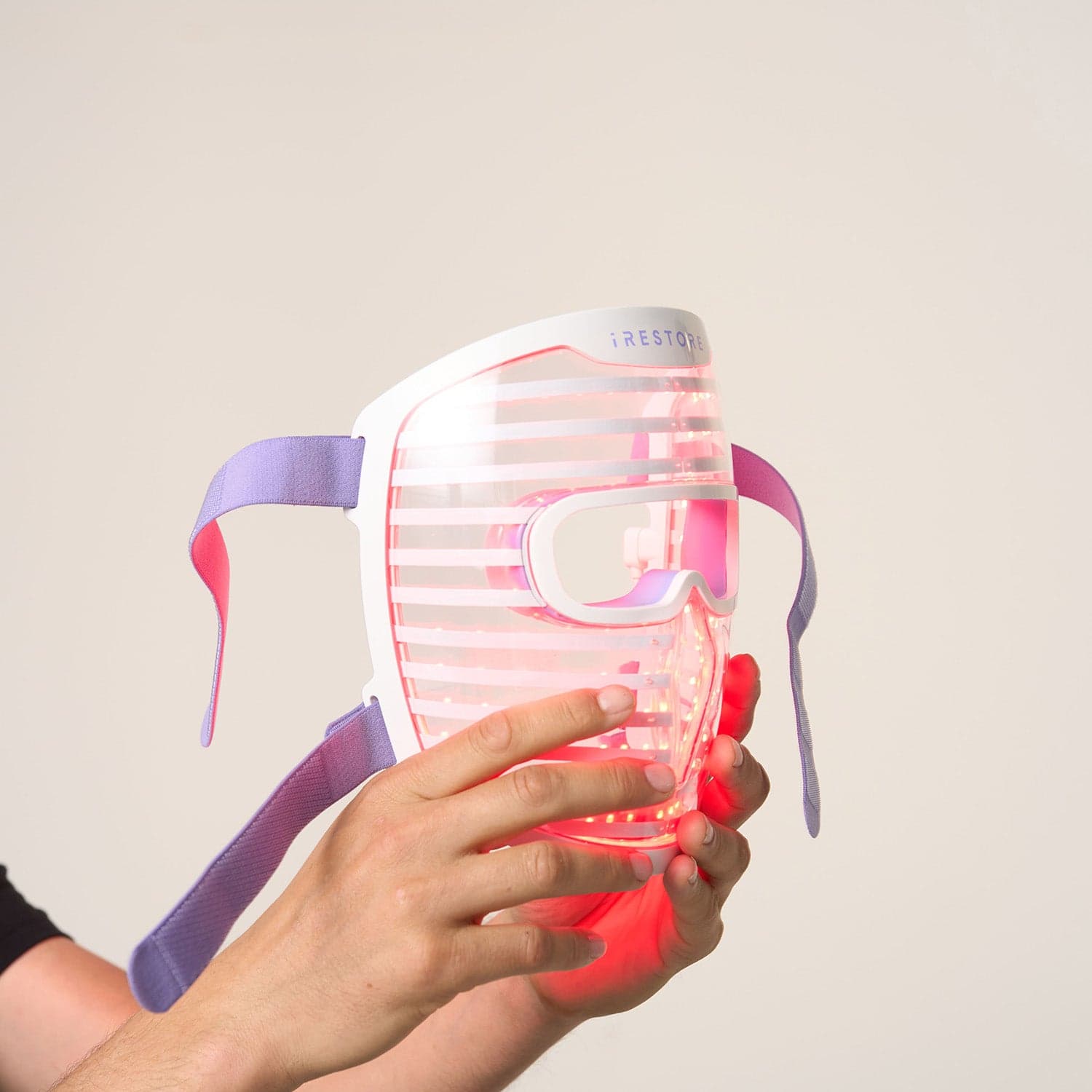
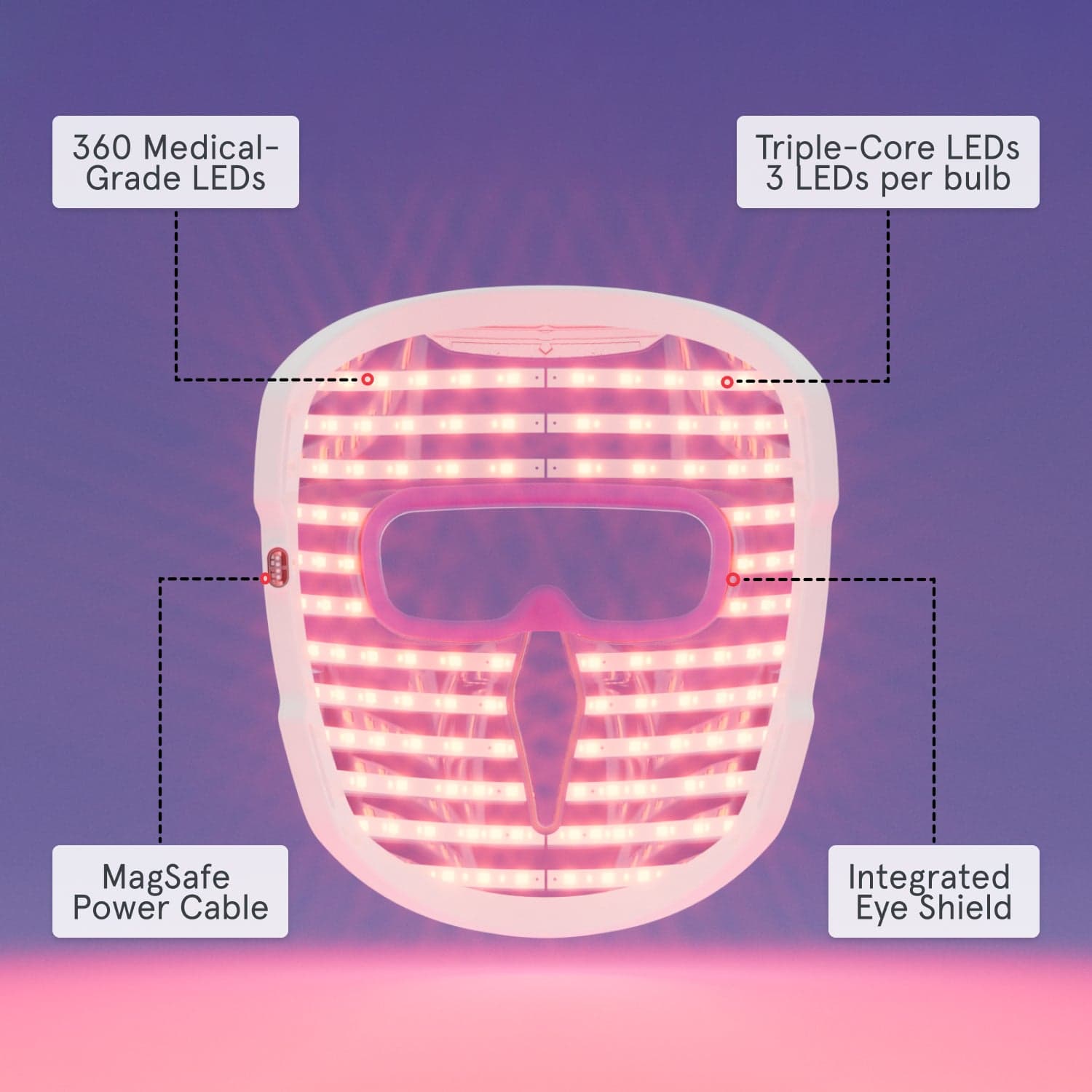
This device is engineered for the data-driven consumer who values hardware density over portability. If your primary selection criterion is a high bulb count, the 360 tri-chip LEDs provide a specific technical profile for red, blue, and near-infrared light that distinguishes it from lower-intensity alternatives. It is best suited for those who prefer a rigid, structured mask design and can commit to a consistent ten-minute daily treatment window. If you prioritize detailed technical specifications and a high-volume LED array in your light therapy routine, this model aligns with those requirements.
Who Should Skip It
This device is not suitable for buyers who prioritize regulatory transparency and verified performance metrics. You should skip this model if you require a product with a confirmed FDA 510(k) clearance or a GUDID regulatory record, as these are absent here. Furthermore, if your purchasing decision depends on independently verified output measurements or peer-reviewed clinical trials performed specifically on this model rather than general technology, this device will not meet that standard of evidence. From a safety perspective, the lack of independent testing and adverse-event data means the risks for specific user groups remain uncharacterized. If you are taking photosensitizing medications, you must consult a medical professional before use and strictly adhere to the ID-610 manual, as the device's specific safety profile is not established through external data.
General technology evidence — not this exact device
How the Technology Works
The iRestore Illumina operates on the principles of photobiomodulation, utilizing red and near-infrared (NIR) light wavelengths. These specific modalities are intended to address facial photoaging and acne by delivering light energy to the skin's surface. While randomized research exists for 630 nm and 850 nm wavelengths in treating photoaging, and pooled data supports home-light applications for acne, it is important to distinguish between the general science and this specific hardware. The existing research supports the underlying light modalities rather than the iRestore Illumina device itself or its specific dosing parameters, as this particular model was not the subject of the cited studies.
Specific to this product
What the Evidence Really Says
When evaluating the iRestore Illumina, it is essential to distinguish between the science of light therapy and the verification of this specific device. While randomized research into red and near-infrared light for photoaging and pooled studies on home-use light for acne support the underlying modalities, these studies did not evaluate the Illumina or its specific dosing parameters. Consequently, the evidence for this device relies on its technical specifications—such as its 360 tri-chip bulbs and specific wavelengths of 415nm, 635nm, and 830nm—rather than independent clinical trials confirming its particular efficacy. Observations from the field, like those from Wareable, characterize the ten-minute routine as comfortable and simple, yet these remain individual experiences rather than controlled findings. Readers should view the Illumina as a device built on established light therapy principles, but one that lacks its own dedicated clinical validation.
Specific to this product
Evidence at a Glance
The evidence for the iRestore Illumina is divided between manufacturer specifications and general light therapy research. The ID-610 manual details a technical configuration of 360 tri-chip bulbs delivering 415nm blue, 635nm red, and 830nm near-infrared light in ten-minute sessions. While these wavelengths align with randomized red/NIR photoaging research and pooled home-light acne studies, those clinical papers evaluate the underlying modalities rather than the Illumina device or its specific dose. Independent clinical trials or regulatory records for this exact model have not been identified. Current user observations, such as those from Wareable, describe a comfortable ten-minute routine and subjective appearance changes, though these remain individual anecdotes rather than controlled findings. The device was recently observed at approximately $399, though final costs are subject to change at checkout.
Specific to this product
Our Confidence
Our assessment of the iRestore Illumina is grounded in the manufacturer's technical specifications for the ID-610 model and broader research into red, near-infrared, and blue light modalities. While peer-reviewed studies exist for these light wavelengths generally, they do not evaluate this specific device or its precise dosing. Furthermore, we have not identified independent clinical trials or regulatory records for this model. Consequently, our confidence is limited by a lack of non-conflicted, controlled data regarding the device's long-term effectiveness. While individual observations suggest a comfortable user experience, these remain subjective rather than verified findings.
Specific to this product
What Results Can You Reasonably Expect?
When considering the iRestore Illumina, it is essential to distinguish between the general potential of light therapy and the specific performance of this hardware. While randomized research into red and near-infrared light for photoaging and pooled data for home-use acne treatments support these underlying modalities, those findings do not directly apply to this device. Neither study evaluated the Illumina specifically or verified its exact light dose. Consequently, while a ten-minute routine is reported to be comfortable and simple, any noted changes in skin appearance remain individual observations rather than controlled scientific outcomes. Furthermore, because there is no independent measurement to verify if the actual light output matches the manufacturer's manual, the long-term effectiveness of this specific model is not yet established. Prospective users should view the device as an unproven application of general light therapy principles rather than a product with its own documented track record.
Specific to this product
What to Expect Before You Buy
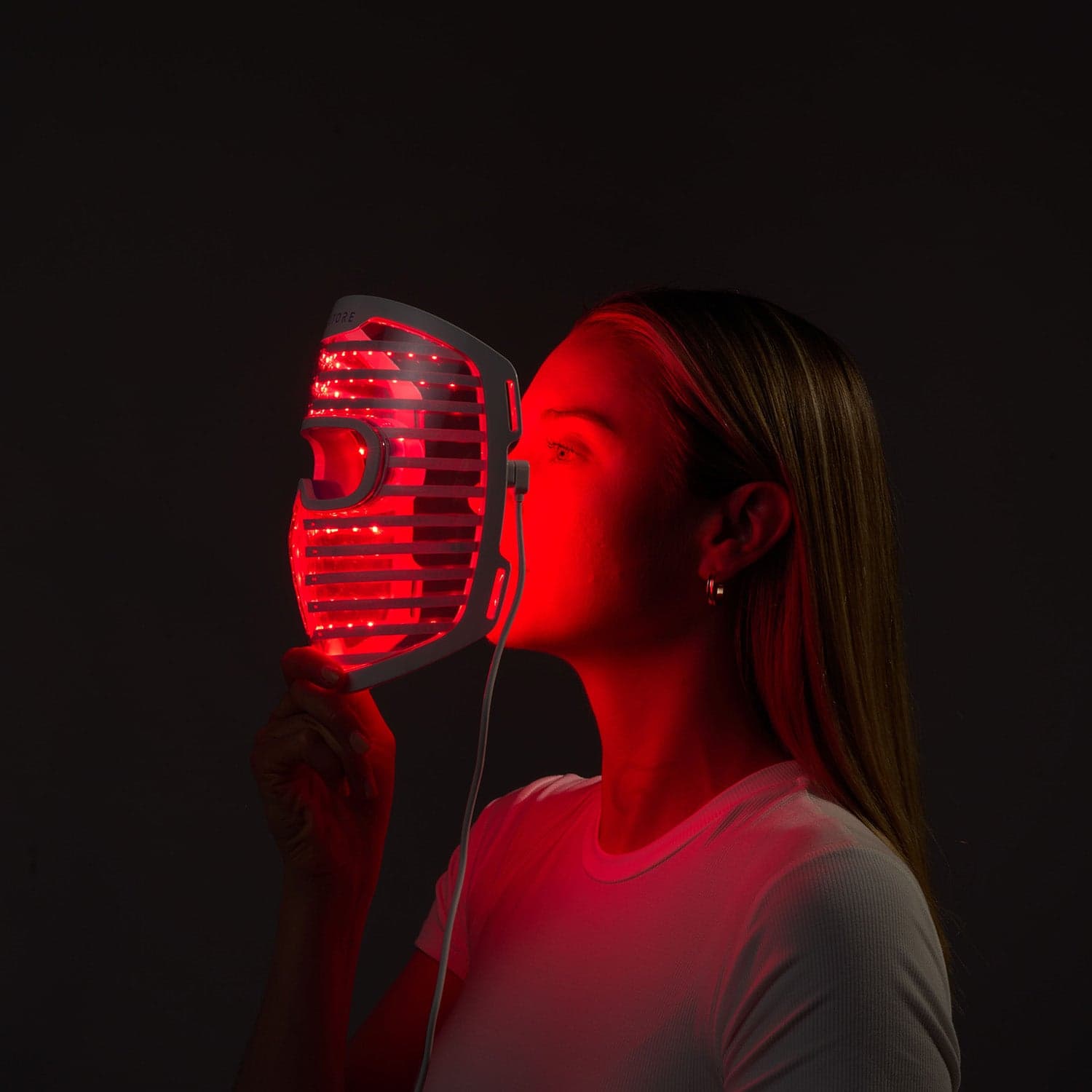
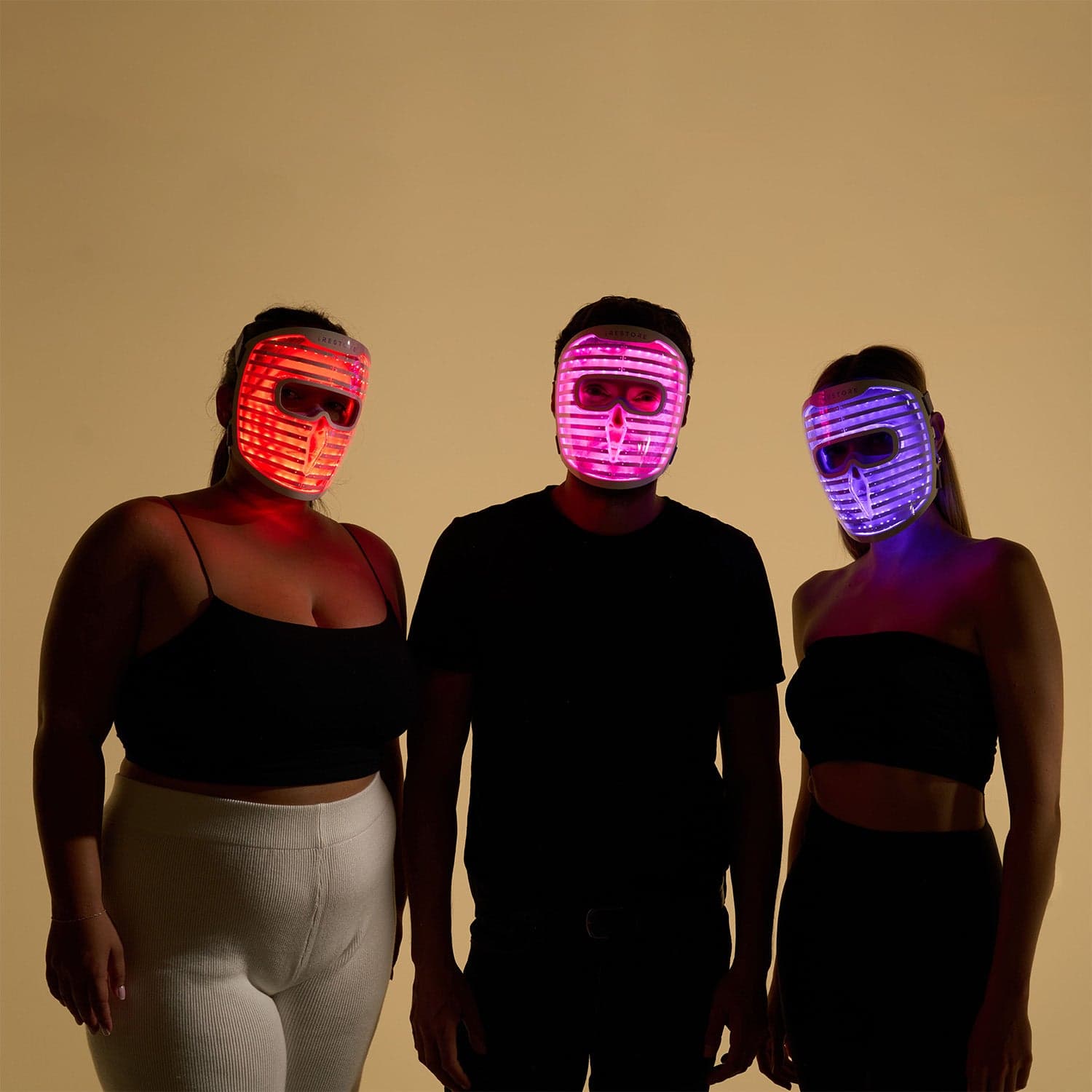
When integrating the iRestore ID-610 into your routine, the primary commitment is a ten-minute session utilizing its 360 tri-chip bulbs. The device is designed to deliver a specific spectrum of light, including 415±10 nm blue, 635±10 nm red, and 830±10 nm near-infrared wavelengths. While the routine itself is reported as comfortable and straightforward, you should distinguish between the technical specifications provided in the manual and the available user feedback. Current editorial observations regarding appearance changes are based on individual experiences rather than controlled scientific findings, and there is no independent measurement to confirm if the actual light output matches the manufacturer's stated specifications. Approaching this purchase requires balancing the hardware's technical claims against the limited nature of existing observational data.
Specific to this product
Expert Tip
When evaluating the iRestore Illumina, distinguish between the general science of red and near-infrared light and the specific performance of this device. While randomized research supports these light modalities for photoaging and acne, those findings do not directly validate this product's specific dosage or light output. Because independent measurements of the actual light intensity are currently unavailable, users should treat individual reports of a comfortable ten-minute routine as subjective observations rather than a guarantee of technical equivalence to clinical-grade equipment.
Specific to this product
Buying Advice
Deciding on the Illumina requires balancing a preference for high-density hardware against a lack of third-party verification. This device is best suited for those who prioritize a high bulb count, specifically 360 tri-chip LEDs, and a brief ten-minute daily commitment. If you value detailed technical specifications for red, blue, and near-infrared light and prefer a rigid mask structure, the hardware profile aligns with your needs. However, you should skip this purchase if your criteria include a confirmed FDA 510(k) or GUDID regulatory record. The decision ultimately rests on whether you are comfortable with a device that lacks peer-reviewed clinical trials or independently verified output measurements for this specific model. While it has been observed at approximately $399 in the US, pricing varies by retailer, so consider if the technical specs justify the investment without the assurance of external regulatory oversight.
Specific to this product
Common Mistakes to Avoid
The most significant error a buyer can make is treating individual observations as a substitute for controlled scientific findings. While a ten-minute routine may be reported as comfortable and simple, these accounts are based on subjective experience rather than rigorous measurement. Do not assume the light output precisely matches the manual's specifications, as no independent verification of these technical claims has been identified. Furthermore, it is a mistake to generalize safety across all users; current evidence cannot characterize the risks for specific groups. Always consult the ID-610 manual and seek medical advice if you are taking photosensitizing medications, as the absence of documented adverse-event data does not imply the device is universally suitable.
Specific to this product
What We Still Don't Know
While individual observations suggest a simple and comfortable routine, the absence of controlled, non-conflicted studies leaves the long-term effectiveness of this specific device unverified. Current editorial reviews are affiliate-funded, which introduces a potential for bias that independent research would typically mitigate. Furthermore, there is no independent measurement to confirm that the actual light output aligns with the technical specifications provided in the manual. Without these objective data points, users must rely on subjective reports rather than verified performance metrics.
Important Warning
Before initiating light therapy with the ID-610, the most critical safety boundary involves your current medication regimen. Because certain prescriptions and over-the-counter drugs can significantly increase your skin's sensitivity to light, you must consult a medical professional if you are taking photosensitizing medications. While the manufacturer's manual provides baseline operational guidance, the absence of independent safety testing or adverse-event data for this specific device means the risks for individual user groups remain uncharacterized. This lack of evidence-based safety profiles necessitates a cautious approach, particularly for those with underlying health conditions or those using topical or systemic treatments that alter light response.
Safety and Contraindications
Determining the safety profile of the ID-610 requires acknowledging a significant gap in available documentation: no independent safety testing or adverse-event data specific to this individual device has been identified. This lack of product-specific data means that safety for specific user groups cannot be characterized based on currently available evidence. Users must rely strictly on the manufacturer's manual for operational boundaries. A critical precaution involves photosensitizing medications; if you are taking any drugs that increase light sensitivity, medical consultation is necessary before use to avoid potential skin reactions. Without verified longitudinal data or third-party safety trials, the responsibility for monitoring skin response rests entirely with the consumer.
Specific to this product
How to Use It Responsibly
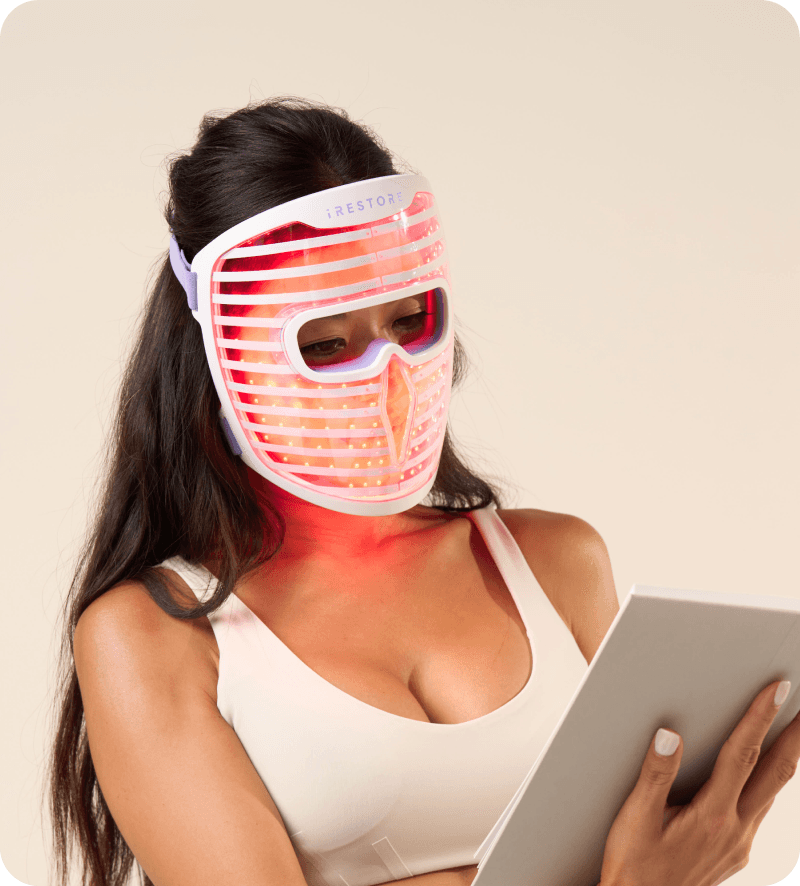
Operating the iRestore Illumina responsibly centers on adhering to the ID-610 manual, which defines a standard session as ten minutes. The device utilizes 360 tri-chip bulbs to deliver specific light wavelengths: blue at 415±10 nm, red at 635±10 nm, and near-infrared at 830±10 nm. While general research into red/NIR and home-light acne modalities exists, these studies did not evaluate this specific device or its exact dose. Consequently, users should not deviate from the manufacturer's timing in an attempt to replicate external study results. Responsible use also requires a medical consultation if you are taking photosensitizing medications, as the safety profile for specific user groups and potential adverse events remains uncharacterized by independent testing specific to this product.
Specific to this product
Pros
The ID-610 distinguishes itself through a multi-wavelength approach, utilizing 360 tri-chip bulbs to deliver 415nm blue, 635nm red, and 830nm near-infrared light. This combination addresses different layers of the skin within a single device. The ten-minute session length is designed for ease of integration into a daily routine, and the hardware is noted for a comfortable fit during active use. While the specific iRestore Illumina device and its exact dosage have not been the subject of independent clinical studies, the underlying modalities of red/NIR light for photoaging and blue light for acne are supported by broader randomized research and pooled data on home-use light therapy.
Specific to this product
Cons and Limitations
The primary drawback for a discerning buyer is the lack of independent verification regarding the device's technical performance. While the manual provides specific output figures, there is no third-party laboratory data to confirm if the actual light intensity and wavelength accuracy match those claims. Furthermore, the current body of evidence relies on individual observations from affiliate-funded reviews rather than controlled scientific findings. This means that while a routine may be reported as comfortable or simple, any noted changes in appearance are subjective experiences. Because there are no non-conflicted, controlled studies on this specific device, its long-term effectiveness remains an open question for those who prioritize rigorous data over anecdotal reports.
Specific to this product
Is It Good Value?
The value of the iRestore ID-610 depends on whether you prioritize hardware specifications or verified performance. On paper, the inclusion of 360 tri-chip bulbs delivering three distinct wavelengths—415nm blue, 635nm red, and 830nm near-infrared—suggests a more robust technical configuration than simpler single-wavelength masks. While the ten-minute daily routine is noted for its simplicity and comfort, the lack of independent measurements means you are relying entirely on the manufacturer's manual for these output claims. Because existing observations are limited to individual reports rather than controlled scientific findings on this specific device, the investment is best suited for those who value a high bulb count and multi-wavelength capability, provided they accept the absence of third-party verification for the stated light intensity.
Specific to this product
Alternatives to Consider
When evaluating the Illumina, the primary consideration for alternatives is the significant price variance across the LED mask category. While this specific device has been observed at approximately $399 in the US market, the broader landscape includes a wide range of options where checkout prices frequently fluctuate based on retailer-specific promotions. Readers should weigh this mid-to-high tier investment against other light therapy tools, noting that the final cost at the point of purchase may shift depending on current market conditions and available discounts.
Specific to this product
How It Compares
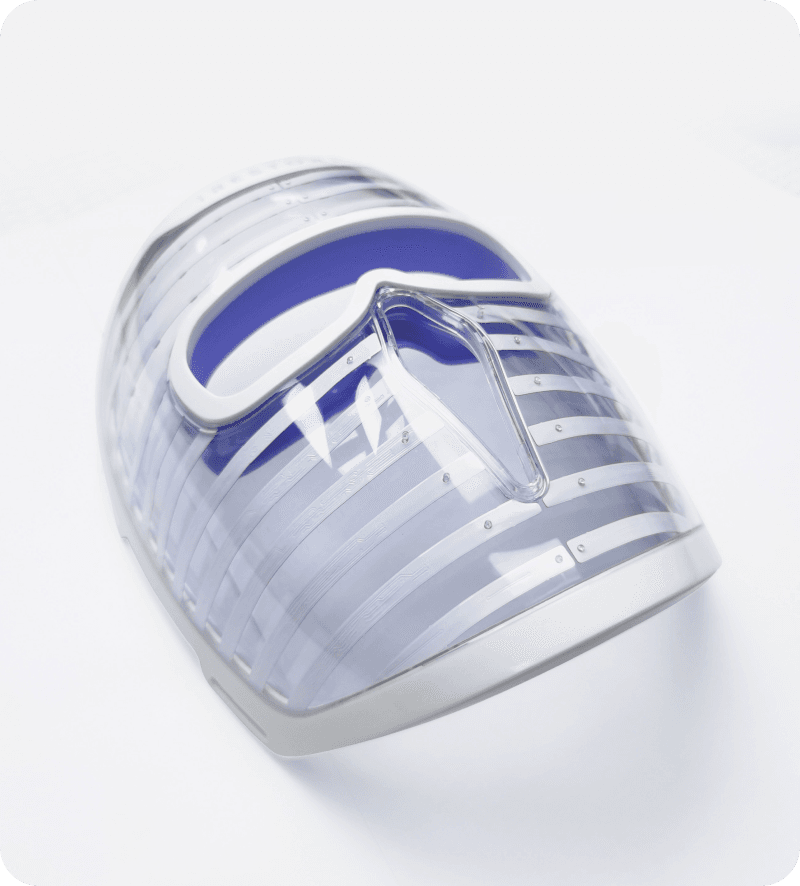
When evaluating the Illumina against other LED masks, the primary differentiator is the entry cost relative to the broader market. At a recorded price of approximately $399 in the US, this device sits in a competitive bracket where retail fluctuations and promotional cycles are common. Because pricing for similar technology varies significantly by retailer, the decision to choose this specific model should be weighed against the current checkout price of comparable alternatives. While the hardware specifications are fixed, the financial value proposition is fluid and depends on the specific promotions available at the time of purchase.
Specific to this product
How We Evaluated It
Our evaluation of the iRestore Illumina (ID-610) relies on a desk-research methodology that prioritizes manufacturer technical specifications and general modality research over marketing claims. We analyzed the device's hardware profile, which includes 360 tri-chip bulbs delivering 415±10 nm blue, 635±10 nm red, and 830±10 nm near-infrared light during ten-minute sessions. This technical data was compared against randomized trials for red/NIR photoaging and pooled research on home-use light for acne. While these studies support the underlying light modalities, we note they did not evaluate this specific model or its exact dosage. Our assessment also incorporates external observations regarding the routine's simplicity and comfort, though we treat reported appearance changes as subjective rather than controlled findings. Because no independent clinical trials or regulatory records were identified for this specific model, our confidence is grounded in the alignment of its hardware specs with general scientific literature rather than product-specific outcome data.
Specific to this product
Decision Guide
Choose the iRestore Illumina if you prioritize a high-density hardware configuration, specifically the 360 tri-chip LED bulbs, and require a rigid mask structure for a consistent ten-minute daily routine. This device is suitable for buyers who value detailed technical specifications for red, blue, and near-infrared wavelengths over third-party clinical validation. Conversely, skip this purchase if your decision requires a product with a confirmed FDA 510(k) regulatory record, independently verified output measurements, or evidence from peer-reviewed clinical trials performed on this specific model rather than general light modalities. The recommendation remains limited to those who accept that while technical documentation has improved, exact-product outcome evidence is not yet established.
Specific to this product
Final Verdict
The iRestore Illumina is a conditional recommendation for those who prioritize a documented three-wavelength specification and a streamlined ten-minute routine over product-specific clinical data. While the device manual provides clear technical output for its 360 tri-chip bulbs across blue, red, and near-infrared spectrums, the evidence for its effectiveness rests on general modality research rather than controlled trials of this exact model. Consequently, the decision to invest depends on whether the convenience of its design and the transparency of its hardware specifications outweigh the current lack of peer-reviewed outcome data for the Illumina itself.
Frequently asked questions
Frequently Asked Questions
When evaluating the iRestore Illumina, the primary practical consideration is the balance between its hardware specifications and the available evidence. The device utilizes 360 tri-chip bulbs to deliver a three-wavelength output: blue light at 415±10 nm, red at 635±10 nm, and near-infrared at 830±10 nm. While these specific wavelengths align with general research into photoaging and acne modalities, it is important to note that the Illumina itself has not been the subject of its own controlled clinical trials. Instead, its utility is supported by broader studies on the underlying technology. For the daily user, the routine is designed for simplicity, requiring a ten-minute session that has been described as comfortable in practical observations. Prospective buyers should be aware that while the device was noted at approximately $399 in the US, pricing and promotional offers are subject to change at the point of purchase.
Product gallery
Interested in iRestore Illumina — White?
Check price on AmazonBeautivara maintains editorial independence through a model where commissions may be earned on purchases made via our links. This review is the result of evidence-led desk research rather than hands-on testing. We have not purchased or personally operated this device, and our analysis relies strictly on interpreting available documentation and governed data to inform your buying decision.
Useful next decisions
Compare this product in context
Keep exploring
Related reviews
NEWKEY 4D LED Red Light Therapy Mask
The NEWKEY 4D (model NEWKEY-01) is recommended with limitations for buyers seeking a regulated, plug-in LED device that provides documented wavelengths and power densities at a lower price point than many premium competitors. While the device family is recorded under FDA K230351 with specific output ranges for red, blue, and amber light, its exact cosmetic outcomes remain not established by independent clinical trials. This recommendation is restricted to those who prioritize verified technical specifications and safety testing standards over product-specific clinical evidence. Because peer-reviewed data for home-use LED technology is often modest or heterogeneous, this device is best suited for users who accept that modality-level inferences are not a substitute for proven results on this specific model.
Read review →Ulike ReGlow UM10
The Ulike ReGlow UM10 is a regulated device that offers a documented range of wavelengths, including blue, yellow, red, and near-infrared light. While its technical specifications are verified through regulatory documentation and nonclinical testing, its specific clinical outcomes are less certain. Current evidence for its effectiveness relies on general research into light-based modalities rather than trials conducted on this specific product. We recommend it with limitations for those who prioritize a device with multiple mode choices and a documented technical profile, provided they understand that individual results are supported by technology trends rather than product-specific clinical data.
Read review →Shark CryoGlow FW312 — Blue Frost
The Shark CryoGlow FW312 is a well-documented device in terms of technical specifications and regulatory identity, though independent clinical outcome data for this specific model is currently not established. While peer-reviewed research provides modality-level support for the use of red, blue, and near-infrared light in managing acne and photoaging, these general findings cannot be directly applied to predict CryoGlow results due to variations in device design and dosing. Consequently, our recommendation is limited to buyers who are comfortable with a device where technical documentation is robust but exact-product clinical evidence remains limited. Early anecdotal accounts highlight the comfort of the integrated under-eye cooling and eye shields, though these observations are often confounded by concurrent skincare routines and lack the rigor of controlled trials. If you prioritize a device with a clear regulatory profile and integrated cooling features over established clinical performance data, this model may be appropriate for your routine.
Read review →