Quick verdict
Our verdict
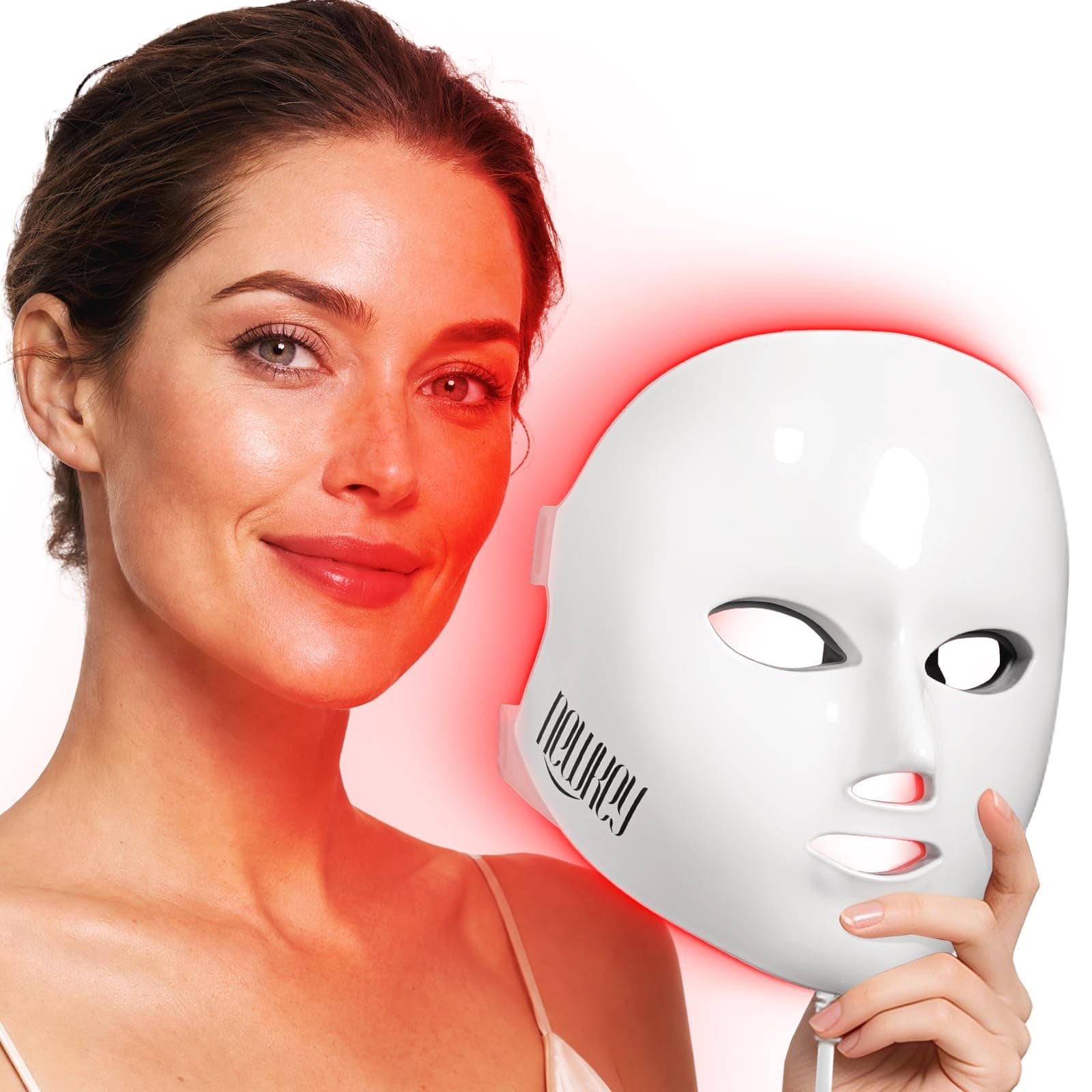
The NEWKEY 4D (model NEWKEY-01) is recommended with limitations for buyers seeking a regulated, plug-in LED device that provides documented wavelengths and power densities at a lower price point than many premium competitors. While the device family is recorded under FDA K230351 with specific output ranges for red, blue, and amber light, its exact cosmetic outcomes remain not established by independent clinical trials. This recommendation is restricted to those who prioritize verified technical specifications and safety testing standards over product-specific clinical evidence. Because peer-reviewed data for home-use LED technology is often modest or heterogeneous, this device is best suited for users who accept that modality-level inferences are not a substitute for proven results on this specific model.
Choose it if
This device is specifically engineered for the pragmatist who prioritizes density and power stability over portability.
Read the full sectionSkip it if
This device is not a universal fit for every lifestyle or health profile. If your routine requires mobility, skip this model; its design lacks the flexibility and cordless functionality found in portable alternatives, necessitating a stationary session.
Read the full sectionWho This Is For
This device is specifically engineered for the pragmatist who prioritizes density and power stability over portability. If your primary concern is ensuring a high concentration of light delivery, the 450 LED-chip count offers a significant hardware specification for the price point. It is best suited for users who have a dedicated space for their skincare routine, as the requirement for a plug-in AC-adapter power source eliminates the mobility found in cordless alternatives but ensures consistent energy output without the degradation typical of rechargeable batteries. Furthermore, it appeals to the risk-averse consumer who requires a device with a verified regulatory identity and documented safety testing data rather than unverified imports.
Specific to this product
Who Should Skip It
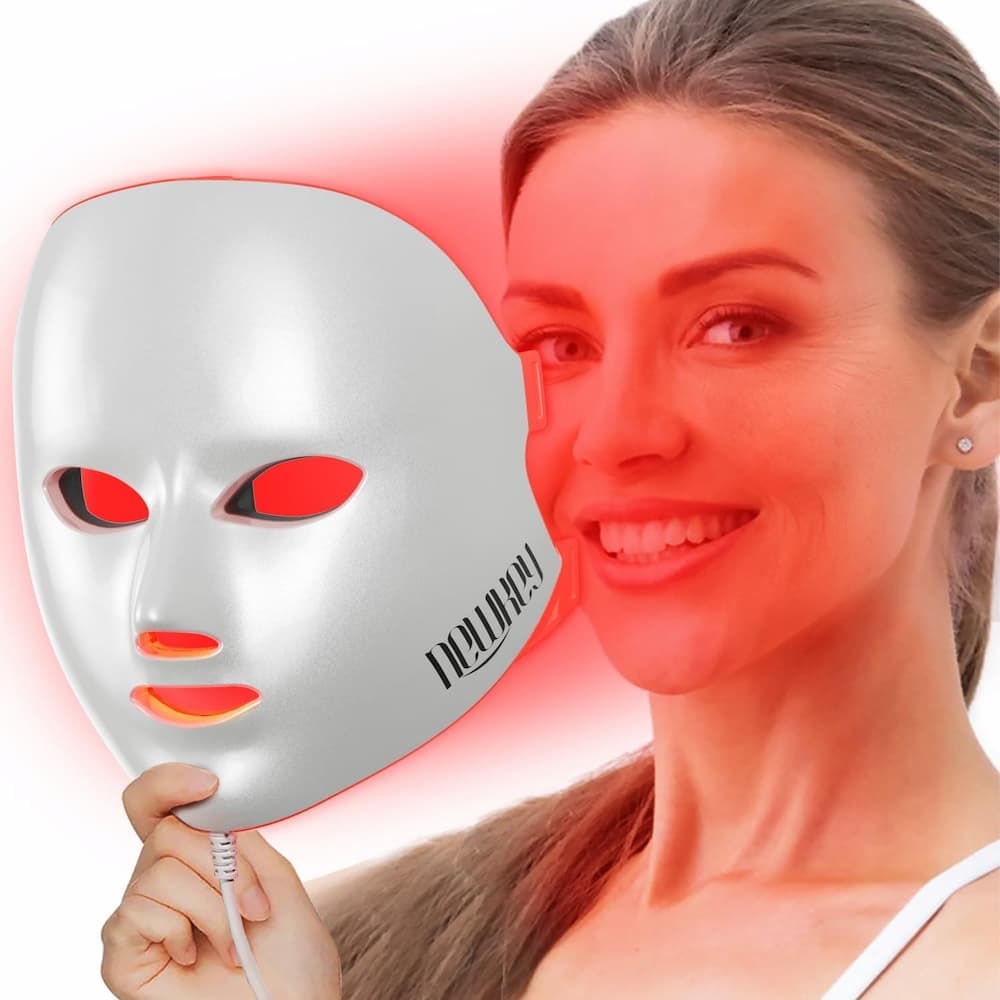
This device is not a universal fit for every lifestyle or health profile. If your routine requires mobility, skip this model; its design lacks the flexibility and cordless functionality found in portable alternatives, necessitating a stationary session. More critically, individuals with photosensitive conditions or those currently taking photosensitizing medications must avoid use. Because light-based treatments can interact with these medications, seeking professional medical advice is a mandatory prerequisite to ensure the technology is appropriate for your specific health status. While the device has met standard testing for biocompatibility, electrical safety, and eye protection in home-use environments, users must strictly adhere to the provided eye protection instructions to mitigate risks. Finally, if your purchasing decision relies on independent, peer-reviewed clinical data specific to this exact model, the current evidence may not meet that threshold of scrutiny.
General technology evidence — not this exact device
How the Technology Works
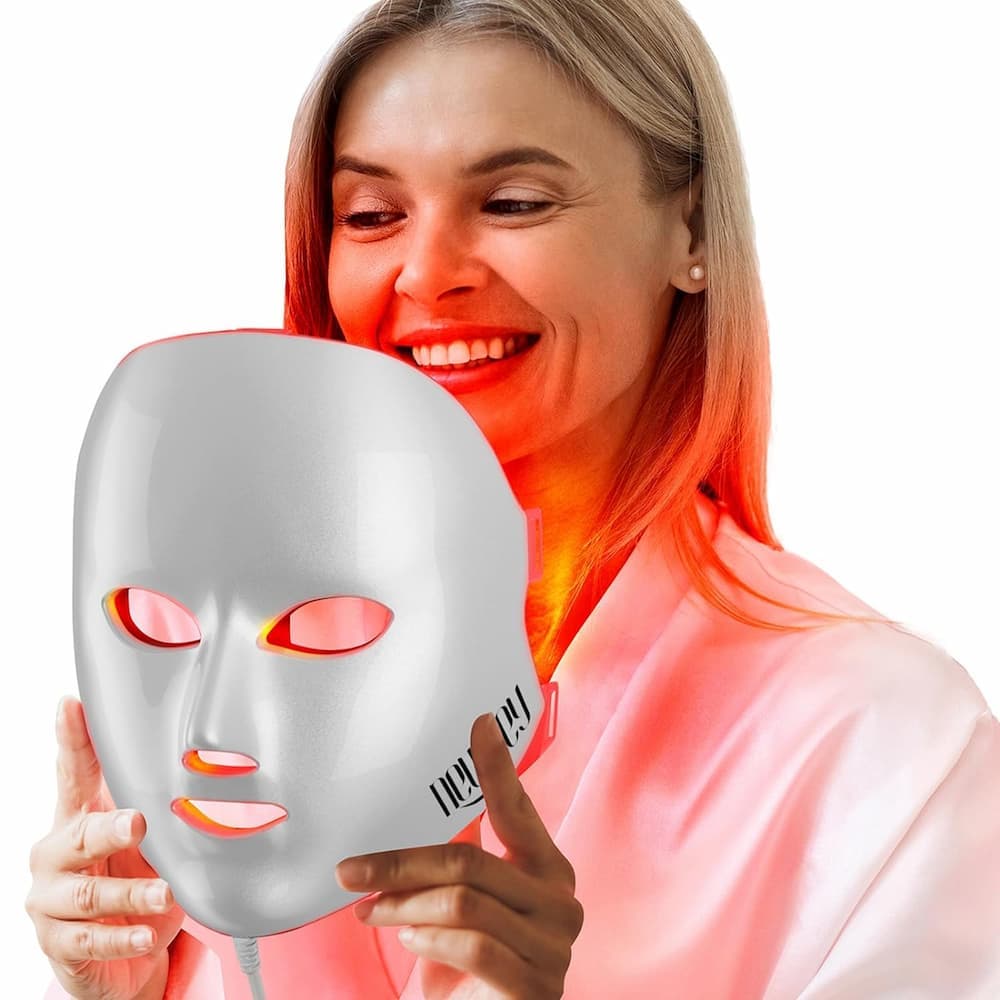
The NEWKEY B01MDK70V9 operates on the principles of Light Emitting Diode (LED) therapy, a modality where specific wavelengths of light are intended to interact with skin tissue. While the device utilizes this general approach, it is important to distinguish between the broad science of the technology and the specific performance of this unit. Peer-reviewed research on home-use LED therapy provides a modality-level inference rather than a direct validation of this particular model. For instance, while randomized trials have examined the effects of selected red and near-infrared (NIR) light on facial photoaging, and meta-analyses of pooled home-device data show modest, varied results for acne, these general findings do not establish specific outcomes for the NEWKEY B01MDK70V9. The technology functions as a delivery system for these light wavelengths, but the bridge between the general modality and individual results remains an area of scientific interpretation.

Specific to this product
What the Evidence Really Says
While the NEWKEY B01MDK70V9 listing describes a plug-in 4D face mask featuring 150 LEDs and 450 light-emitting chips, the evidence supporting its specific performance is limited. Independent clinical trials proving the effectiveness of this exact model have not been established. Instead, confidence in the device relies on modality-level inferences from peer-reviewed research on home-use LED technology. These studies indicate that selected red and near-infrared approaches show evidence in randomized trials for facial photoaging, while pooled results for acne are modest and heterogeneous. However, these general findings do not confirm specific outcomes for the NEWKEY-01 family.
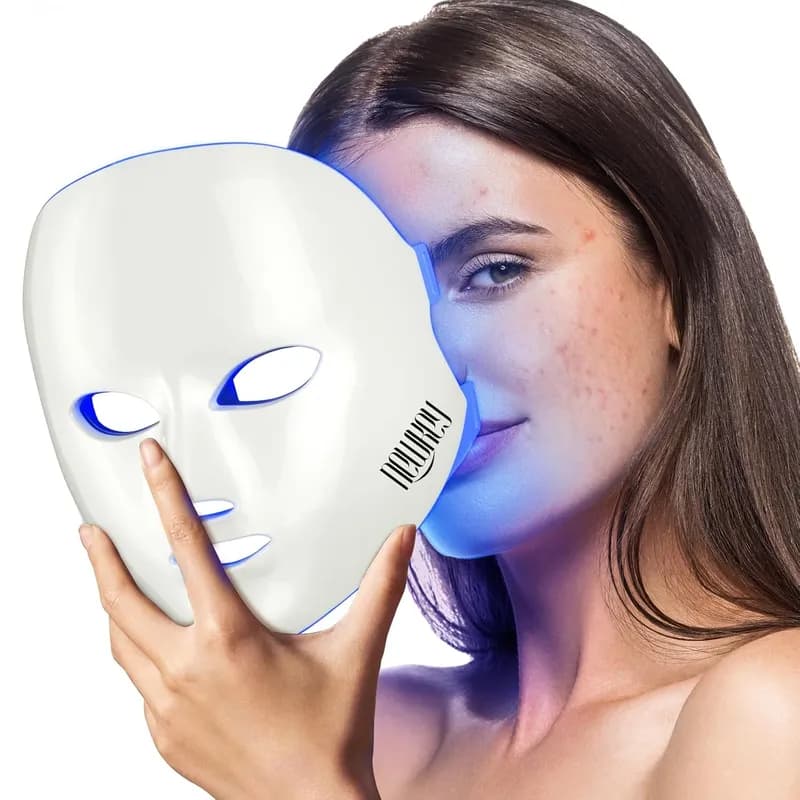
Technical specifications for the NEWKEY-01 family, as recorded in FDA K230351, include light output at red 625±5 nm, blue 465±5 nm, and amber 605±5 nm. The submitted power-density ranges are 31–75 mW/cm² for red and 15–63 mW/cm² for blue. Although the device passed standards for biocompatibility, electrical safety, and photobiological eye safety, users must still adhere to supplied eye protection and seek medical advice if using photosensitizing medications. Positioned at approximately $159.99, this device sits significantly below the $350–$450 range typical for premium LED masks in our evidence set, such as the Shark CryoGlow at roughly $349, reflecting a trade-off between cost and the lack of model-specific clinical validation.
Specific to this product
Evidence at a Glance
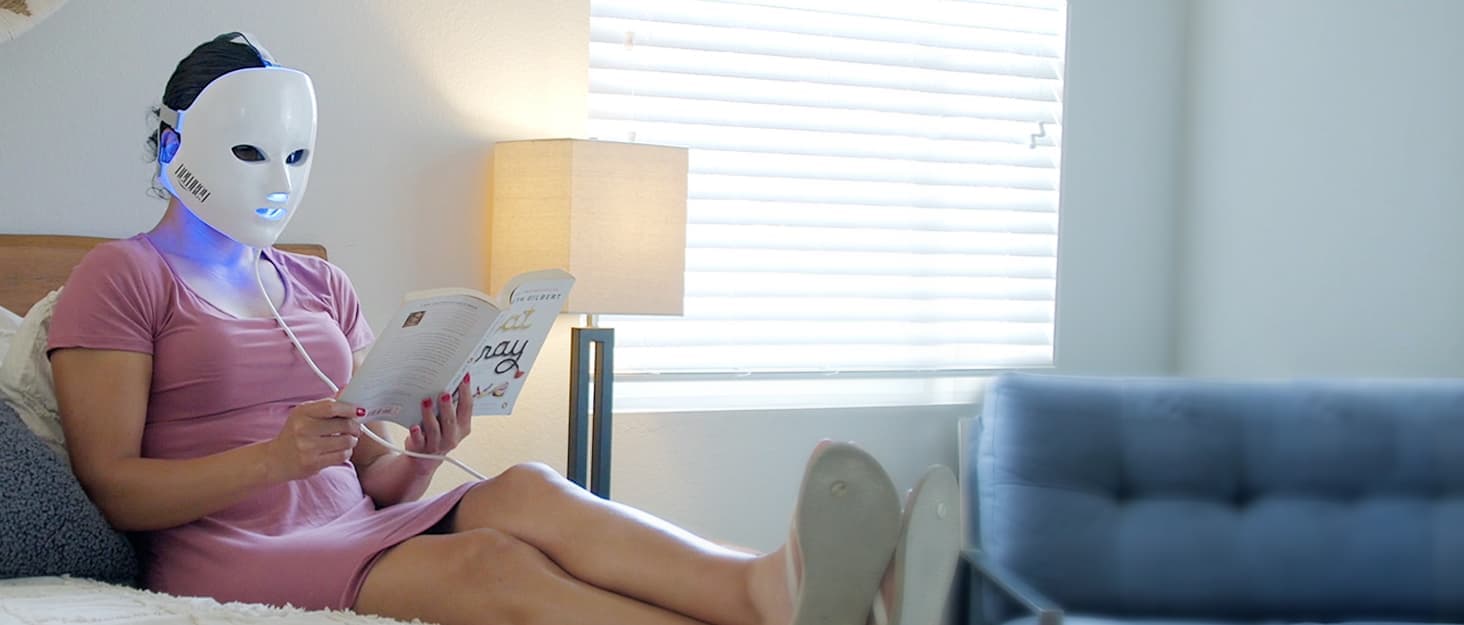
The NEWKEY-01 device is supported by specific regulatory documentation, including FDA 510(k) K230351, which verifies its technical specifications: a plug-in 4D mask with 150 LEDs and 450 chips, operating on a ten-minute schedule. This documentation confirms the device passed standards for biocompatibility, electrical safety, and eye safety, though users must still utilize the provided eye protection and consult a professional if using photosensitizing medications. While the hardware specifications—such as power densities of 31–75 mW/cm² for red light and 15–63 mW/cm² for blue—are verified, evidence for the specific effectiveness of this model is limited. General peer-reviewed data on home-use LED technology suggests modest, heterogeneous results for acne and some support for red/NIR light in addressing photoaging, but these modality-level inferences do not establish guaranteed outcomes for the NEWKEY B01MDK70V9 specifically. Positioned at approximately $159.99, the device sits significantly below the $350–$450 range typical of premium competitors like the Shark CryoGlow, representing a distinct market tier where technical verification is present but clinical performance data remains suggested rather than established.
Specific to this product
Our Confidence
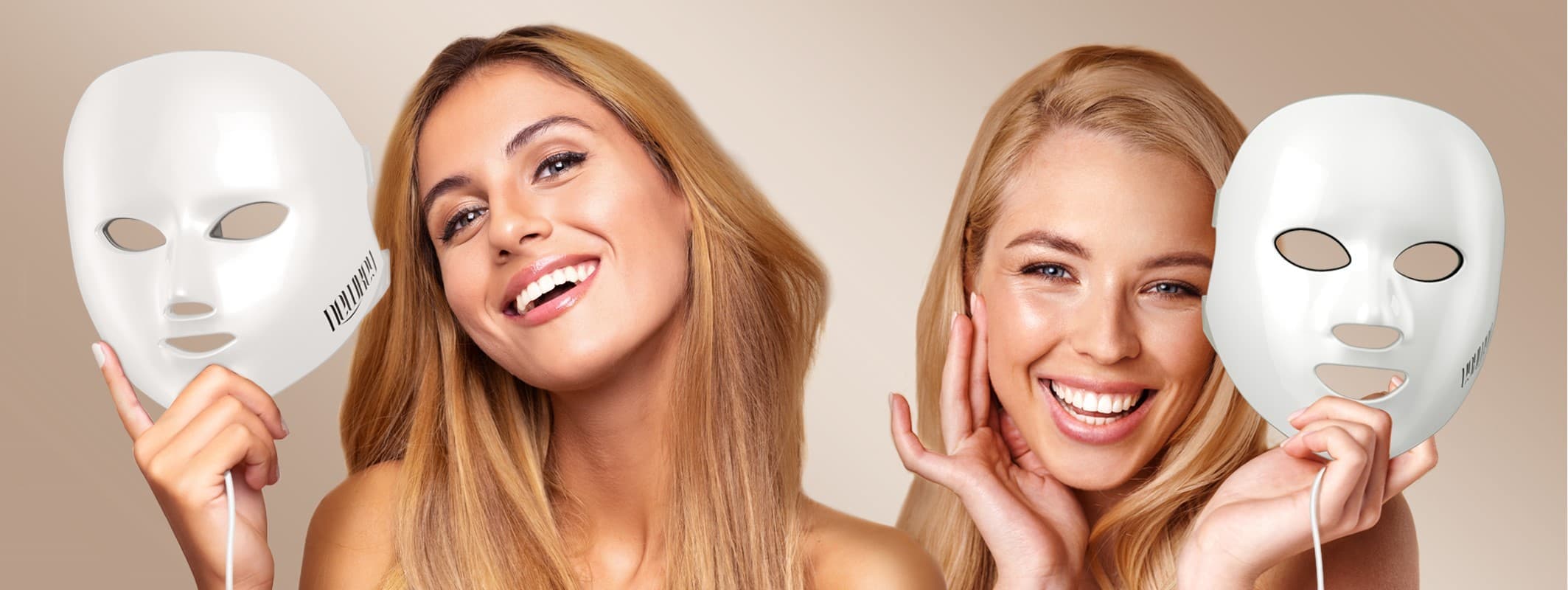
Our assessment is grounded in regulatory documentation that confirms the technical specifications and safety testing for the NEWKEY-01 family. We have high confidence in the hardware profile, including its 150 LEDs, 450 light-emitting chips, and reported power-density ranges of 31–75 mW/cm² for red light and 15–63 mW/cm² for blue light. The device has also met established standards for biocompatibility and photobiological eye safety.
However, certainty regarding long-term cosmetic effectiveness for this specific model remains limited. While peer-reviewed evidence supports the general modality of red and blue light therapy, these findings only allow for general inferences rather than specific outcome predictions for the B01MDK70V9. Furthermore, we lack independent verification of light output consistency across different production batches, and our confidence does not extend to other NEWKEY models, such as their 7-color or neck-specific masks.
Specific to this product
What Results Can You Reasonably Expect?
When evaluating what this device can achieve, it is important to distinguish between general light therapy research and this specific hardware. Peer-reviewed evidence for home-use LED technology supports a modality-level inference where selected red and near-infrared approaches show randomized evidence for facial photoaging, while pooled results for acne are modest and varied. However, these broad findings do not establish specific outcomes for the NEWKEY B01MDK70V9. While the technology category is well-studied, the long-term cosmetic effectiveness of this particular model remains not established. Furthermore, because independent irradiance measurements were not performed, the consistency of light output across different production batches is not verified. Users should also note that the rigid design may impact how the light interacts with different face shapes compared to flexible alternatives, and the requirement to remain tethered to a power outlet during the 10-minute treatment limits mobility. Ultimately, while the underlying light modalities are recognized in dermatological literature, the specific performance profile of this mask and other NEWKEY variations is currently limited to manufacturer-supplied data.
Specific to this product
What to Expect Before You Buy
When considering the NEWKEY-01, your primary logistical consideration is the tethered power requirement. Unlike portable, battery-operated alternatives, this device requires a connection to an AC adapter throughout the ten-minute treatment schedule. This design choice correlates with the technical specifications recorded in FDA K230351, which details a significant hardware array of 150 LEDs and 450 light-emitting chips. While this provides substantial coverage, the rigid structure of the mask lacks the adaptability of flexible silicone models, meaning the fit may vary significantly depending on individual face shapes. Potential buyers should also note that while the manufacturer-submitted power-density ranges are established—specifically 31–75 mW/cm² for red and 15–63 mW/cm² for blue light—evidence regarding these outputs is limited to manufacturer data without independent irradiance verification.
Specific to this product
Expert Tip
When planning your routine, account for the physical constraints of this rigid mask, which requires a continuous connection to a power outlet. Unlike flexible silicone alternatives that may offer more mobility, this design necessitates a stationary 10-minute treatment period. Because the evidence for this specific device is limited to manufacturer-supplied data rather than independent irradiance measurements, consistent adherence to the provided eye protection and contraindication instructions is the most reliable way to manage the safety parameters established in its regulatory filings.
Specific to this product
Buying Advice
Deciding on this device requires weighing a high-density LED configuration against significant ergonomic trade-offs. If your priority is maximizing the number of light-emitting diodes—450 in this case—at a price point roughly half that of premium competitors like the Shark CryoGlow, this model serves as a high-value entry point. It is particularly suited for users who prefer the consistent power delivery of a wired AC adapter over the degradation risks of rechargeable batteries. However, the rigid structure and tethered power source mean you must commit to stationary use; skip this if you require the mobility of a flexible, cordless mask. While regulatory filings confirm the device passed standard biocompatibility and photobiological safety testing, the absence of independent, peer-reviewed clinical data for this specific model means you are relying on general category evidence rather than product-specific performance metrics. Ensure you are not using photosensitizing medications before purchase, as these remain a primary contraindication despite the verified safety testing data.
Specific to this product
Common Mistakes to Avoid
A common error is assuming this device offers the portability of flexible silicone alternatives. Because this model uses a rigid design, it may not conform comfortably to all face shapes, and its reliance on a tethered power outlet means you cannot move freely during the 10-minute session. Users should also avoid neglecting the provided eye protection or ignoring contraindication instructions, particularly if using photosensitizing medications. While the device met standards for biocompatibility and photobiological safety in regulatory reports, these results do not replace professional medical advice for specific skin conditions. Finally, do not mistake manufacturer-supplied data for independent irradiance verification, as external measurements of light intensity have not been established.
Specific to this product
What We Still Don't Know
While the technical specifications are provided by the manufacturer, several critical factors for long-term users remain unverified. We lack independent irradiance measurements to confirm if the light output matches the manufacturer's stated intensity, and there is no data regarding the consistency of this output across different production batches. Furthermore, the long-term cosmetic effectiveness of this specific model has not been established through independent study. Potential buyers should also note that the rigid construction may not provide a universal fit, potentially impacting comfort compared to flexible alternatives. Because this evidence set is restricted to the specific facial mask model, the performance and reliability of other NEWKEY products, such as their 7-color variants or neck-specific masks, remain unknown.
Specific to this product
Important Warning
While the device has undergone testing for biocompatibility, electrical integrity, and photobiological eye safety for home use, these results are based on baseline healthy skin. The testing does not account for individual medical histories or the use of specific medications. You must consult a medical professional if you have any photosensitizing conditions or are taking medicines that increase light sensitivity. Strict adherence to the manufacturer's provided eye protection and contraindication instructions is necessary to maintain the safety standards established during testing.
Specific to this product
Safety and Contraindications
While the device has met standardized benchmarks for biocompatibility and electrical integrity for home environments, its safe operation depends entirely on user compliance with specific light-exposure protocols. The most critical requirement is the consistent use of the provided eye protection. Because the hardware produces high-intensity light, these shields are a mandatory safety barrier rather than a comfort accessory. Furthermore, individuals must consult a medical professional if they are currently using photosensitizing medications or have underlying conditions that increase light sensitivity, as these factors can alter how the skin reacts to the photobiological output. Adhering to the manufacturer's full list of contraindications is necessary to ensure the technology operates within the safety parameters established during its technical evaluation.
Specific to this product
How to Use It Responsibly
Responsible use of the NEWKEY-01 involves adhering to the ten-minute treatment schedule recorded in regulatory filings. As this is a plug-in device powered by an AC adapter, it requires a stationary setup during operation. Users must utilize the supplied eye protection and strictly follow the provided contraindication instructions. It is essential to seek medical advice before use if you have photosensitizing conditions or are taking medications that increase light sensitivity. While the device utilizes 150 LEDs across red, blue, and amber wavelengths, the modest and heterogeneous nature of pooled evidence for home-use LED devices means users should maintain realistic expectations regarding individual outcomes.
Specific to this product
Pros
The NEWKEY-01 mask distinguishes itself through hardware specifications that prioritize stability over portability. By utilizing a direct AC-adapter connection rather than an internal battery, the device maintains consistent power delivery throughout the ten-minute treatment cycle, avoiding the output degradation common in rechargeable alternatives. This electrical stability supports a higher chip density, featuring 450 light-emitting chips distributed across 150 LEDs. This configuration is designed to provide more comprehensive coverage compared to entry-level models with lower chip-to-LED ratios. Furthermore, the product identity is clearly documented, with the NEWKEY-01 model family appearing in official FDA 510(k) records, providing a layer of administrative transparency regarding its technical specifications and intended output ranges.
Specific to this product
Cons and Limitations
- The primary trade-off with this model is its rigid construction. Unlike flexible silicone alternatives that contour to the face, this hard-shell design may not provide a comfortable or uniform fit for all facial structures. Users must also plan for a stationary routine, as the device requires a constant connection to a power outlet throughout the 10-minute session, precluding any mobility.
- From a technical standpoint, there are significant gaps in independent verification. The available data relies exclusively on manufacturer-supplied information, meaning there are no third-party irradiance measurements to confirm the actual light intensity reaching the skin. Furthermore, while the device is marketed for cosmetic use, its long-term effectiveness remains not established. Potential buyers should also note that this evidence set applies strictly to the specific model under review; the performance of other variations, such as the 7-color or neck-specific masks, has not been verified. There is also no independent data to confirm that light output remains consistent across different production batches.
Specific to this product
Is It Good Value?
The NEWKEY-01 offers a specific technical trade-off for those prioritizing consistent power delivery over portability. By utilizing a plug-in AC adapter rather than an internal battery, the device avoids the inevitable power degradation associated with rechargeable cells, ensuring the 150 LEDs receive steady current throughout the ten-minute treatment cycle. With 450 light-emitting chips distributed across these LEDs, the hardware density is higher than many entry-level alternatives. However, the value proposition is tempered by a rigid 4D design that lacks the adaptive fit of flexible silicone models, and users must remain tethered to a power outlet during use. While the manufacturer-submitted power density ranges (31–75 mW/cm² for red and 15–63 mW/cm² for blue) are documented in regulatory filings, it is important to note that independent irradiance measurements have not been performed to confirm these outputs. For a buyer who values a verified model identity matching regulatory records and prefers a non-battery-operated system, this mask represents a stable, hardware-focused investment, provided the rigid ergonomics align with their facial structure.
Specific to this product
Alternatives to Consider
When evaluating the financial commitment, the Shark CryoGlow sits at approximately $349, positioning it at the lower threshold of the $350–$450 range typical for premium LED masks in our evidence set. If this entry point remains steep, the NEWKEY listing presents a significant shift in cost, observed at roughly $159.99 as of September 4, 2026. Choosing between them involves weighing the specific feature set of the Shark model against the substantial savings offered by a more budget-oriented alternative.
Specific to this product
How It Compares
When evaluating the NEWKEY LED mask against the broader market, the primary distinction lies in its positioning within the entry-level tier. As of September 4, 2026, the device was observed at approximately $159.99, a figure that stands in sharp contrast to the $350 to $450 range typically occupied by premium LED masks in our evidence set. Even when compared to mid-range options like the Shark CryoGlow, which was noted at roughly $349, the NEWKEY represents a significantly lower financial commitment. For those weighing these options, the decision hinges on whether the lower entry price offsets the potential differences in features or build quality found in the more expensive premium segment.
Specific to this product
How We Evaluated It
Our evaluation of the NEWKEY LED Facial Mask (model NEWKEY-01) relies on a desk-research methodology that prioritizes technical documentation and peer-reviewed clinical data over marketing claims. We cross-referenced the device's specifications, including its 150 LEDs and 450 light-emitting chips, against regulatory records found in FDA 510(k) K230351. This allowed us to verify the hardware's output parameters, such as the 625±5 nm red, 465±5 nm blue, and 605±5 nm amber wavelengths, and its power-density ranges of 31–75 mW/cm² for red and 15–63 mW/cm² for blue. To assess performance, we analyzed the device's reported compliance with photobiological, electrical, and biocompatibility safety standards. Because clinical outcome evidence for this specific product remains limited, we interpreted its potential utility by examining broader peer-reviewed studies on home-use LED modalities for acne and photoaging. This evidence-first approach ensures the assessment is grounded in verified technical capabilities and the current limits of dermatological research.
Specific to this product
Decision Guide
The decision to purchase the NEWKEY-01 depends on your priority for high hardware specifications over portability. If you are a budget-conscious buyer seeking a high LED-chip count (450) and prefer the stability of a plug-in AC-adapter power source, this rigid mask is a viable option. It is particularly suited for those who value verified regulatory identity and submitted safety testing data. Conversely, skip this device if you require a lightweight, flexible, or cordless format for mobility. It is also unsuitable for individuals with photosensitive conditions or those taking photosensitizing medications. Because independent, peer-reviewed clinical proof of results for this specific model is not established, the recommendation is limited to those who accept that outcomes are inferred from general modality evidence rather than product-specific trials.
Specific to this product
Final Verdict
The NEWKEY 4D (model NEWKEY-01) is recommended with limitations, primarily for buyers who prioritize documented technical specifications over specific clinical proof. While the device is supported by regulatory documentation detailing its 150 LEDs, 450 chips, and specific power-density ranges for red and blue light, its cosmetic efficacy is not established by independent clinical trials. Potential users should weigh the device's adherence to photobiological and electrical safety standards against the fact that peer-reviewed evidence for home-use LED therapy remains modest and heterogeneous across the industry. This mask serves as a technically transparent option for those comfortable with modality-level inferences rather than product-specific outcome data.
Frequently asked questions
### Is the NEWKEY 4D LED mask a reliable budget option for home light therapy?
The NEWKEY-01 is a regulated plug-in device that offers a structured alternative to higher-priced cordless models. It utilizes 150 LEDs and 450 light-emitting chips powered by an AC adapter, supporting a ten-minute treatment schedule. While its specific cosmetic results are not established by independent clinical trials, it provides documented output specifications, including red light at 625±5 nm (31–75 mW/cm²), blue at 465±5 nm (15–63 mW/cm²), and amber at 605±5 nm. Regulatory records indicate the device passed standard testing for biocompatibility, electrical safety, and eye safety. However, users should remain skeptical of broad performance claims, as peer-reviewed evidence for home-use LED devices is generally modest and does not specifically establish outcomes for this particular model. For those prioritizing verified technical specifications over brand prestige, it serves as a functional entry point into light therapy, provided users follow all supplied eye protection and contraindication instructions.
Interested in NEWKEY 4D LED Red Light Therapy Mask?
Check price on AmazonBeautivara operates as an independent review platform funded through affiliate partnerships. When you follow a link from this review to a retailer and complete a purchase, we may receive a commission. This financial structure does not increase the price you pay. Our editorial process for this specific review relies exclusively on evidence-led desk research; we have not purchased, personally handled, or conducted hands-on testing of this product. This transparency ensures you understand the methodology behind our analysis before reaching our final assessment.
Useful next decisions
Compare this product in context
Keep exploring
Related reviews
Ulike ReGlow UM10
The Ulike ReGlow UM10 is a regulated device that offers a documented range of wavelengths, including blue, yellow, red, and near-infrared light. While its technical specifications are verified through regulatory documentation and nonclinical testing, its specific clinical outcomes are less certain. Current evidence for its effectiveness relies on general research into light-based modalities rather than trials conducted on this specific product. We recommend it with limitations for those who prioritize a device with multiple mode choices and a documented technical profile, provided they understand that individual results are supported by technology trends rather than product-specific clinical data.
Read review →iRestore Illumina — White
The iRestore Illumina is a suitable option for those prioritizing a streamlined ten-minute routine and a documented three-wavelength specification including blue, red, and near-infrared light. While the device utilizes 360 tri-chip bulbs to deliver these wavelengths, its recommendation is limited to buyers who accept that its effectiveness is inferred from general modality research rather than exact-product clinical trials. You should consider this mask if you value the convenience of a simple, comfortable session and are comfortable with evidence based on randomized photoaging and pooled acne studies rather than controlled findings specific to this device's exact dose.
Read review →Shark CryoGlow FW312 — Blue Frost
The Shark CryoGlow FW312 is a well-documented device in terms of technical specifications and regulatory identity, though independent clinical outcome data for this specific model is currently not established. While peer-reviewed research provides modality-level support for the use of red, blue, and near-infrared light in managing acne and photoaging, these general findings cannot be directly applied to predict CryoGlow results due to variations in device design and dosing. Consequently, our recommendation is limited to buyers who are comfortable with a device where technical documentation is robust but exact-product clinical evidence remains limited. Early anecdotal accounts highlight the comfort of the integrated under-eye cooling and eye shields, though these observations are often confounded by concurrent skincare routines and lack the rigor of controlled trials. If you prioritize a device with a clear regulatory profile and integrated cooling features over established clinical performance data, this model may be appropriate for your routine.
Read review →